

Complete Guide to Solid State Battery Technology: Advantages, Applications & Future
Опубликовано: June 18, 2026
Последнее обновление: June 18, 2026
Время чтения: 12 минут
Author: WES Battery Technical Team
Introduction
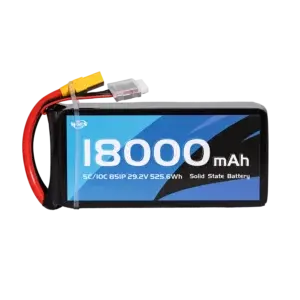
Solid state battery technology represents one of the most significant advances in energy storage since the invention of the lithium-ion battery. As the global energy storage market continues to evolve, solid state batteries have emerged as a transformative solution that promises to revolutionize everything from electric vehicles to commercial drones and consumer electronics. Unlike traditional lithium-ion batteries that rely on liquid electrolytes, solid state batteries utilize a solid electrolyte material, offering unprecedented advantages in energy density, safety, charging speed, and lifespan.
The global solid state battery market is experiencing explosive growth, with projections showing the market expanding from $1.6 billion in 2025 to $15.7 billion by 2033—representing a compound annual growth rate of approximately 35%. This rapid expansion reflects the technology’s enormous potential and the increasing demand for higher-performance energy storage solutions across multiple industries.
In this comprehensive guide, we explore what solid state batteries are, how they differ from conventional lithium-ion batteries, their remarkable advantages, real-world applications, and why WES Battery is positioned at the forefront of this technological revolution.
What Is a Solid State Battery?
Definition and Basic Principles
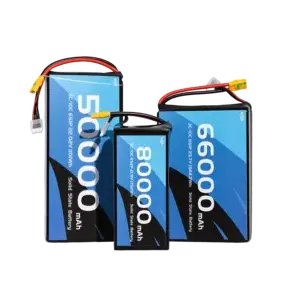
A solid state battery is a rechargeable battery that replaces the liquid or gel electrolyte found in traditional lithium-ion batteries with a solid electrolyte material. This fundamental design change creates a battery with dramatically different performance characteristics and safety profiles compared to conventional batteries.
Key Components of a Solid State Battery:
|
Component
|
Описание
|
Advantage
|
|
Solid Electrolyte
|
Ceramic or polymer material
|
Non-flammable, no leakage risk
|
|
Lithium Metal Anode
|
Pure lithium metal layer
|
Higher capacity density
|
|
Cathode Material
|
Lithium metal oxide or other compounds
|
Enhanced performance
|
|
Separator
|
Integrated solid material
|
Prevents short circuits
|
The solid electrolyte is the defining feature of solid state batteries. Unlike liquid electrolytes that can evaporate, leak, or catch fire, solid electrolytes remain stable across a wide range of temperatures and operating conditions. This fundamental difference enables the entire range of advantages that solid state batteries offer over conventional lithium-ion technology.
How Solid State Batteries Work
Solid state batteries operate on the same basic electrochemical principles as lithium-ion batteries, but with significantly improved efficiency and safety. During discharge, lithium ions move from the anode through the solid electrolyte to the cathode, generating electrical current. During charging, this process reverses, with lithium ions moving back to the anode.
The solid electrolyte enables faster ion transport compared to liquid electrolytes, resulting in:
-Faster charging – Ions move more efficiently through the solid material
-Higher power output – Improved ion conductivity enables higher discharge rates
-Better cycle life – Solid electrolytes resist degradation better than liquid electrolytes
-Enhanced safety – No flammable liquid means dramatically reduced fire risk
Solid State Battery vs. Traditional Lithium-Ion Batteries
Electrolyte Composition: The Critical Difference
The most fundamental difference between solid state and traditional lithium-ion batteries lies in their electrolyte composition. This seemingly simple difference cascades into profound performance improvements across multiple dimensions.
Traditional Lithium-Ion Batteries:
-Use liquid or gel electrolytes (typically organic solvents)
-Electrolyte can evaporate, leak, or catch fire
-Requires safety mechanisms to prevent thermal runaway
-Limited maximum voltage (typically 4.2-4.3V per cell)
-Slower ion transport through liquid medium
Solid State Batteries:
-Use solid ceramic or polymer electrolytes
-Non-flammable and non-volatile
-Inherently safer with minimal thermal runaway risk
-Enables higher voltages (4.5V+ per cell)
-Faster ion transport through solid material
Comprehensive Performance Comparison
|
Метрика производительности
|
Solid State
|
Традиционные LiPo
|
Advantage
|
|
Плотность энергии
|
350+ Втч/кг
|
250-300 Wh/kg
|
+17-40%
|
|
Charging Time
|
20-30 minutes
|
1-2 hours
|
3-6x faster
|
|
Цикл жизни
|
1,000+ cycles
|
500–800 циклов
|
+25-100%
|
|
Рабочая температура
|
-20°C to 80°C
|
0°C to 60°C
|
Wider range
|
|
Self-Discharge
|
<2% per month
|
2–31 TP3T в месяц
|
Lower
|
|
Рейтинг безопасности
|
Excellent
|
Good
|
Superior
|
|
Cost (2025)
|
$500-1,000/kWh
|
$100-150/kWh
|
Выше
|
|
Зрелость
|
Early stage
|
Mature
|
Established
|
Safety Advantages
Safety represents one of the most compelling advantages of solid state battery technology. Traditional lithium-ion batteries require multiple safety mechanisms to prevent thermal runaway—the catastrophic failure mode where the battery catches fire or explodes.
Solid State Battery Safety Features:
-Non-flammable electrolyte – Eliminates the primary fire risk
-No leakage – Solid electrolyte cannot leak or evaporate
-Better thermal stability – Operates safely across wider temperature range
-Reduced need for safety circuits – Inherent safety reduces complexity and cost
-Lower risk of internal short circuits – Solid separator prevents dendrite growth
Advantages of Solid State Batteries
1. Exceptional Energy Density
Solid state batteries achieve energy densities exceeding 350 Wh/kg, representing a 17-40% improvement over traditional lithium-ion batteries. This superior energy density results from two key factors: the use of lithium metal anodes (which have much higher capacity than graphite anodes) and the more efficient ion transport through solid electrolytes.
Practical Implications:
-Drones: 40-50% longer flight time with same weight
-Electric Vehicles: 200+ mile range with smaller, lighter battery packs
-Consumer Electronics: Thinner, lighter devices with longer battery life
-Energy Storage: More power in same footprint
2. Dramatically Faster Charging
Solid state batteries can charge up to 6 times faster than conventional lithium-ion batteries. A typical solid state battery can reach 80% charge in just 20-30 minutes, compared to 1-2 hours for traditional batteries. This breakthrough charging speed is enabled by the superior ion conductivity of solid electrolytes.
Charging Speed Comparison:
-Solid State: 20-30 minutes to 80% charge
-LIHV Battery: 1-2 hours
-Standard LiPo: 1,5-3 часа
3. Extended Cycle Life
Solid state batteries demonstrate cycle life exceeding 1,000 cycles—double or more than traditional lithium-ion batteries. This extended lifespan results from the superior stability of solid electrolytes, which resist the degradation mechanisms that limit conventional battery life.
Lifespan Advantages:
-Cost per cycle: 50% lower than traditional batteries
-Total cost of ownership: Significantly reduced
-Environmental impact: Fewer batteries needed over product lifetime
-Надежность: More predictable performance degradation
4. Superior Safety Profile
The non-flammable solid electrolyte fundamentally transforms battery safety. Traditional lithium-ion batteries require complex thermal management systems, multiple safety circuits, and protective casings to prevent thermal runaway. Solid state batteries achieve inherent safety without these expensive and complex systems.
Safety Benefits:
-No thermal runaway risk – Solid electrolyte cannot ignite
-No leakage hazard – Sealed solid construction prevents electrolyte escape
-Simpler design – Fewer safety components required
-Regulatory advantages – Easier to meet international safety standards
5. Wide Operating Temperature Range
Solid state batteries operate reliably across a temperature range of -20°C to 80°C, compared to 0°C to 60°C for traditional lithium-ion batteries. This expanded operating range enables use in extreme environments—from Arctic exploration to desert operations to high-altitude applications.
Temperature Advantages:
-Cold weather performance – Maintains capacity in sub-zero temperatures
-Hot weather reliability – Operates safely at elevated temperatures
-No thermal management needed – Reduces system complexity
-Extreme environment applications – Enables new use cases
6. Lower Self-Discharge Rate
Solid state batteries exhibit self-discharge rates below 2% per month, compared to 2-3% for traditional lithium-ion batteries. While this may seem like a minor difference, it becomes significant for applications requiring long-term storage or intermittent use.
Storage Advantages:
-Longer shelf life – Maintains charge during storage
-Emergency applications – Reliable performance after extended storage
-Reduced maintenance – Less frequent recharging needed during storage
-Cost savings – Lower energy losses during storage
7. Environmental Benefits
Solid state batteries offer environmental advantages throughout their lifecycle. The extended cycle life means fewer batteries are needed over a product’s lifetime, reducing mining, manufacturing, and disposal impacts. Additionally, the non-toxic solid electrolyte eliminates the environmental hazards associated with liquid electrolytes.
Environmental Advantages:
-Reduced mining impact – Fewer batteries needed over lifetime
-Lower manufacturing emissions – Simpler production process
-Safer disposal – Non-toxic solid electrolyte
-Recyclability – Easier to recycle solid components
Why Solid State Batteries Have Superior Energy Density
Lithium Metal Anode Advantage
Traditional lithium-ion batteries use graphite anodes, which have a theoretical energy capacity of 372 mAh/g. Solid state batteries use lithium metal anodes, which have a theoretical capacity of 3,860 mAh/g—more than 10 times higher. This fundamental difference in anode material is a primary driver of the superior energy density.
Anode Material Comparison:
|
Anode Material
|
Theoretical Capacity
|
Actual Capacity
|
Плотность энергии
|
|
Graphite
|
372 mAh/g
|
300-350 mAh/g
|
200–250 Вт·ч/кг
|
|
Lithium Metal
|
3,860 mAh/g
|
2,500-3,000 mAh/g
|
350+ Втч/кг
|
Improved Ion Transport
Solid electrolytes enable more efficient ion transport compared to liquid electrolytes. The crystalline structure of solid electrolytes creates well-defined ion pathways, allowing lithium ions to move more quickly and efficiently. This improved ion transport enables:
-Higher discharge rates – More power output per unit weight
-Better efficiency – Less energy lost as heat
-Faster charging – Ions move more quickly during charge
-Better cycle life – Reduced stress on materials during ion transport
Optimized Electrode Design
Solid state batteries enable new electrode designs that maximize active material usage. The solid electrolyte’s mechanical strength allows for thinner separators and more compact electrode designs, further improving energy density.
Applications of Solid State Batteries
Commercial Drones and UAVs
Commercial drones represent one of the most promising near-term applications for solid state batteries. The combination of higher energy density, faster charging, and extended cycle life directly addresses the key pain points of drone operators.
Drone Application Benefits:
-40-50% longer flight time – Enables longer missions
-Faster turnaround – Rapid charging enables more flights per day
-Extended operational life – Higher cycle life reduces battery replacement costs
-Работа в экстремальных условиях – Wide temperature range enables Arctic/desert operations
Электромобили (EV)
The automotive industry represents the largest potential market for solid state batteries. Tesla, Toyota, BMW, and other major manufacturers are investing heavily in solid state battery development for next-generation electric vehicles.
EV Benefits:
-200+ mile range – Achievable with smaller, lighter battery packs
-30-minute charging – Competitive with gasoline refueling
-10+ year lifespan – Matches or exceeds vehicle lifetime
-Reduced cost – Lower per-kWh cost at scale
Consumer Electronics
Smartphones, tablets, and wearable devices will benefit from solid state batteries’ superior energy density and faster charging.
Consumer Electronics Benefits:
-Thinner devices – Same battery capacity in smaller form factor
-Longer battery life – 2-3 day battery life instead of 1 day
-Faster charging – 30-minute full charge
-Better reliability – Extended cycle life
Energy Storage Systems
Grid-scale energy storage and home battery systems will benefit from solid state batteries’ superior cycle life and safety.
Energy Storage Benefits:
-Lower cost per cycle – Extended life reduces effective cost
-Safer operation – Non-flammable electrolyte improves safety
-Wider temperature range – Enables outdoor installations
-Better efficiency – Higher round-trip efficiency
Aerospace and Defense
Aerospace and defense applications require extreme reliability, safety, and performance. Solid state batteries’ superior safety and performance characteristics make them ideal for these demanding applications.
Aerospace Benefits:
-Extreme temperature operation – Operates in -40°C to +80°C range
-Superior safety – Non-flammable electrolyte meets strict aviation safety standards
-High reliability – Proven performance in demanding conditions
-Легкий – Superior energy density reduces weight
Solid State Battery Market Outlook
Market Growth Projections
The solid state battery market is experiencing explosive growth, with multiple research firms projecting strong expansion through 2035.
Market Size Projections:
|
Research Firm
|
2025
|
2030
|
2035
|
CAGR
|
|
Grand View Research
|
$1.6B
|
~$6B
|
$15.7B
|
35%
|
|
Markets & Markets
|
$0.26B
|
~$0.8B
|
$1.77B (2031)
|
37.5%
|
|
BIS Research
|
$149.8M
|
~$800M
|
$2.74B
|
33.75%
|
|
Fortune Business
|
$119M
|
~$600M
|
$3.36B
|
45%
|
Average Projection: $1-2 billion market by 2030, growing to $3-15 billion by 2035
Cost Reduction Timeline
One of the primary barriers to solid state battery adoption is cost. However, as manufacturing scales up and production processes improve, costs are expected to decline dramatically.
Cost Reduction Projections:
|
Year
|
Cost per kWh
|
Trend
|
|
2025
|
$500-1,000
|
High (early stage)
|
|
2027
|
$300-500
|
Declining
|
|
2030
|
$150-250
|
Approaching parity
|
|
2035
|
$100-150
|
Cost competitive
|
By 2030, solid state battery costs are expected to approach parity with traditional lithium-ion batteries, making them cost-competitive for mainstream applications.
Commercialization Timeline
Near-term (2025-2027):
-Limited production by major manufacturers (Toyota, Samsung, QuantumScape)
-Premium applications (high-end EVs, aerospace)
-Price premium of 2-3x over traditional batteries
Mid-term (2028-2030):
-Broader commercialization across automotive industry
-Emerging consumer electronics applications
-Price premium reduces to 1.5-2x
Long-term (2031+):
-Mainstream adoption across industries
-Cost parity with traditional lithium-ion
-Solid state becomes default battery technology
WES Battery’s Solid State Battery Solutions
Current Product Portfolio
WES Battery offers a comprehensive range of solid state battery solutions designed for commercial drone applications, industrial equipment, and emerging consumer applications.
WES Solid State Battery Specifications:
|
Технические характеристики
|
Значение
|
Advantage
|
|
Плотность энергии
|
350 Wh/kg
|
Industry-leading
|
|
Диапазон напряжения
|
3.85V-4.45V
|
Ultra-high voltage
|
|
Цикл жизни
|
1,000+ cycles
|
Extended lifespan
|
|
Рабочая температура
|
-20°C to 80°C
|
Extreme environment
|
|
Charging Time
|
20-30 min
|
Ultra-fast
|
|
Safety Certifications
|
UN38.3, UL1642, CE, CB
|
International standards
|
Custom Solutions
WES Battery specializes in customized solid state battery solutions tailored to specific application requirements. Whether you need specific form factors, voltage configurations, or performance characteristics, WES can design and manufacture solutions optimized for your application.
Customization Capabilities:
-Form factor design – Custom shapes and sizes
-Voltage configuration – 1S to 12S+ packs
-Capacity range – 500mAh to 100Ah+
-Варианты разъемов – XT60, XT90, Anderson, custom
-Management systems – BMS integration, monitoring, balancing
OEM/ODM Services
WES Battery provides comprehensive OEM/ODM services, from prototype development through full-scale manufacturing. Our experienced engineering team works with you to optimize battery designs for your specific application requirements.
Future of Solid State Battery Technology
Новые технологии
The solid state battery field continues to evolve rapidly, with several emerging technologies promising even greater performance improvements.
Solid-Solid Batteries: The next generation of solid state batteries will use solid electrolytes and solid anodes, eliminating all liquid components and achieving even higher energy densities (500+ Wh/kg).
Lithium-Metal Batteries: Advanced lithium-metal anode designs promise to unlock the full potential of lithium metal, enabling energy densities approaching 1,000 Wh/kg.
Hybrid Solid-State Batteries: Combining solid and semi-solid electrolytes may offer optimal balance of performance, cost, and manufacturability.
Research Directions
Leading research institutions and companies are pursuing multiple research directions to improve solid state battery performance:
-New electrolyte materials – Ceramic, polymer, and composite electrolytes with improved ion conductivity
-Advanced anode materials – Lithium metal alloys and composites with improved stability
-Cathode optimization – High-voltage cathode materials compatible with solid electrolytes
-Manufacturing innovation – Scalable production processes to reduce costs
-Thermal management – Improved heat dissipation for high-power applications
Заключение
Solid state battery technology represents a fundamental breakthrough in energy storage, offering unprecedented advantages in energy density, safety, charging speed, and cycle life. As the technology matures and costs decline, solid state batteries will become the dominant battery technology across multiple industries—from electric vehicles to commercial drones to consumer electronics.
WES Battery is committed to advancing solid state battery technology and providing innovative solutions that help our customers achieve their performance and sustainability goals. Whether you’re developing next-generation products or optimizing existing applications, WES Battery’s solid state battery solutions offer the performance, reliability, and customization you need.
Key Takeaways
-Solid state batteries use solid electrolytes instead of liquid, enabling superior performance
-Energy density of 350+ Wh/kg represents 17-40% improvement over traditional batteries
-Charging speed is 3-6x faster, enabling 20-30 minute full charges
-Cycle life exceeds 1,000 cycles, doubling or tripling traditional battery lifespan
-Безопасность is inherently superior due to non-flammable solid electrolyte
-Market growth is explosive, with 33-45% annual growth projected through 2035
-Cost parity with traditional batteries expected by 2030-2035
-Приложения span drones, EVs, consumer electronics, energy storage, and aerospace
Explore Related Guides
-LIHV Battery Technology Guide – High-voltage lithium battery solutions
-Solid State Battery vs Lithium Ion Comparison – Detailed technical comparison
-Solid State Battery Applications Guide – Real-world use cases
-Solid State Battery Specifications Reference – Technical specifications
-Solid State Battery Charging Guide – Optimal charging procedures
-Solid State Battery Safety Guide – Safety and certifications
Contact WES Battery
Ready to explore solid state battery solutions for your application? Our battery experts can help you select the perfect solution and optimize performance for your specific needs.
-Электронная почта: info@wesbattery.com
-Телефон: +86 133 526 13095
-Веб-сайт: https://wesbattery.com