

الدليل الشامل لـ بطارية LIHV التكنولوجيا: المواصفات والتطبيقات والأداء
تاريخ النشر: 15 يونيو 2026
آخر تحديث: 15 يونيو 2026
وقت القراءة: 12 دقيقة
جدول المحتويات
مقدمة: لماذا تُعد بطاريات LIHV مهمة؟
لقد أحدث تطور تكنولوجيا البطاريات تغييرًا جذريًّا في الطريقة التي نزود بها الأجهزة الحديثة بالطاقة، بدءًا من الأجهزة الإلكترونية الاستهلاكية وصولاً إلى المعدات الصناعية. ومن بين أهم التطورات التي شهدتها السنوات الأخيرة تطوير بطاريات LIHV (الليثيوم عالية الجهد)، والتي تمثل قفزة كبيرة إلى الأمام في مجال قدرات تخزين الطاقة. إذا كنت تبحث عن خيارات البطاريات للطائرات بدون طيار أو المركبات التي يتم التحكم فيها عن بُعد أو المعدات الاحترافية، فإن فهم تقنية بطاريات LIHV أمر ضروري لاتخاذ قرارات شراء مستنيرة.
أصبحت بطاريات LIHV الخيار المفضل للتطبيقات الصعبة التي يهم فيها الأداء. سواء كنت تقود طائرة بدون طيار عالية السرعة مخصصة لسباقات FPV، أو تشغل طائرة بدون طيار زراعية طويلة المدى، أو تدير معدات صناعية لحمل الأحمال الثقيلة، فإن بطاريات LIHV توفر أداءً فائقًا مقارنةً ببدائل بطاريات الليثيوم بوليمر التقليدية. تعالج هذه التكنولوجيا النقاط الحرجة التي طالما شكلت تحديًا لمستخدمي البطاريات: محدودية الطاقة الناتجة، ووقت الطيران غير الكافي، ومشكلات إدارة الحرارة.
يستكشف هذا الدليل الشامل تقنية بطاريات LIHV بعمق، حيث يتناول كيفية عمل هذه البطاريات المتطورة، ومقارنتها ببطاريات LiPo القياسية، والأسباب التي تجعلها المعيار الصناعي للتطبيقات التي تتطلب أداءً عاليًا. وبنهاية هذا الدليل، ستفهم المواصفات الفنية والتطبيقات العملية والمزايا الاستراتيجية التي تجعل بطاريات LIHV الخيار الذكي الذي يلبي احتياجاتك المحددة.
ما هي تقنية بطاريات LIHV؟
فهم الأساسيات
LIHV هي اختصار لـ «الليثيوم عالي الجهد»، والتي تمثل تطوراً في التركيب الكيميائي التقليدي لبطاريات الليثيوم بوليمر (LiPo). ورغم أن كلاً من بطاريات LIHV وLiPo تستخدمان تقنية أيونات الليثيوم الأساسية نفسها، فإن الفارق الرئيسي بينهما يكمن في مواصفات جهد الشحن الأقصى. ويؤدي هذا الاختلاف التقني الذي يبدو بسيطاً إلى تحسينات كبيرة في الأداء الفعلي، مما يجعل بطاريات LIHV أكثر ملاءمةً للتطبيقات التي تتطلب أداءً عالياً.
يتم شحن خلية بطارية LiPo القياسية إلى حد أقصى يبلغ 4.2 فولت لكل خلية، بجهد اسمي يبلغ 3.7 فولت. وفي المقابل، تُشحن خلايا بطاريات LIHV بأمان حتى 4.35 فولت لكل خلية، بجهد اسمي يبلغ 3.8 فولت. قد يبدو هذا الفارق البالغ 0.15 فولت لكل خلية تافهًا، ولكن عند ضربه في عدد الخلايا في حزم البطاريات متعددة الخلايا، فإنه يؤدي إلى مكاسب كبيرة في الأداء. على سبيل المثال، تكتسب حزمة البطاريات المكونة من 4 خلايا 0.6 فولت إجمالاً (من 16.8 فولت إلى 17.4 فولت)، وهو ما يمثل زيادة في الجهد تبلغ 3.6%، والتي تُترجم مباشرةً إلى مزيد من الطاقة المتاحة.
الآلية الكيميائية وراء LIHV
تنبع قدرة بطاريات LIHV على تحمل الجهد العالي من المواد المتطورة المستخدمة في الكاثود وتركيبات الإلكتروليت التي يمكنها تحمل الجهد المتزايد للشحن بأمان دون أن تتعرض للتدهور. وتستخدم الشركات المصنعة مواد كاثود متخصصة، عادةً ما تكون مركبات قائمة على النيكل، توفر استقرارًا هيكليًّا أكبر عند الجهد العالي. كما تمت صياغة تركيبة الإلكتروليت لإنشاء طبقة واجهة إلكتروليت صلبة (SEI) أكثر استقرارًا، والتي تحمي البطارية من التدهور عند الجهد العالي.
يتيح هذا التقدم التكنولوجي لبطاريات LIHV تخزين المزيد من الطاقة في نفس الحجم والوزن اللذين تتميز بهما بطاريات LiPo القياسية. وينتج عن ذلك كثافة طاقة أعلى، مما يعني توفر قدر أكبر من الطاقة لكل وحدة وزن — وهي ميزة حاسمة في التطبيقات التي يُعد فيها الوزن عاملاً مهمًا، مثل الطائرات بدون طيار أو المعدات المحمولة.
المواصفات الفنية الرئيسية
إن فهم المواصفات الفنية يساعد في توضيح سبب اختلاف أداء بطاريات LIHV عن بطاريات LiPo القياسية:
|
المواصفات
|
بطارية LiPo قياسية
|
بطارية LIHV
|
|
الجهد الاسمي (لكل خلية)
|
3.7V
|
3.85V
|
|
جهد الشحن الأقصى (لكل خلية)
|
4.2 فولت
|
4.5 فولت
|
|
الجهد الأدنى الآمن (لكل خلية)
|
3.0 فولت
|
3.0 فولت
|
|
الحزمة 4S الاسمية
|
14.8 فولت
|
15.4 فولت
|
|
حزمة 4S القصوى
|
16.8 فولت
|
18 فولت
|
|
كثافة الطاقة
|
150-180 واط/كغ 150-180 واط/كغ
|
160-200 واط/ساعة/كجم
|
|
دورة الحياة
|
300-500 دورة
|
250-400 دورة
|
|
معدل التفريغ الذاتي
|
2-3% شهريًّا
|
2-3% شهريًّا
|
تؤثر الجهد الاسمي والجهد الأقصى الأعلى لبطاريات LIHV بشكل مباشر على أداء المحرك. ونظرًا لأن عدد دورات المحرك في الدقيقة (RPM) يزداد بشكل متناسب مع الجهد المدخل، فإن بطاريات LIHV توفر عدد دورات في الدقيقة (RPM) أعلى بمقدار 8-10% عند نفس إعداد دواسة الوقود مقارنةً ببطاريات LiPo القياسية. ويُترجم ذلك إلى سرعات أعلى، وتسارع أسرع، وخصائص قيادة أكثر استجابة.
LIHV مقابل LiPo: شرح الاختلافات الرئيسية
مقارنة الأداء
تتضح الاختلافات العملية بين بطاريات LIHV وبطاريات LiPo عند مقارنة مؤشرات الأداء في الظروف الواقعية. ورغم أن كلا النوعين من البطاريات يستخدمان تركيبة كيميائية مماثلة تعتمد على أيونات الليثيوم، فإن قدرة بطاريات LIHV على تحمل جهد كهربائي أعلى توفر مزايا ملموسة في جوانب أداء متعددة.
القدرة الناتجة: توفر بطاريات LIHV طاقة متاحة تزيد بنسبة 8-10% مقارنةً ببطاريات LiPo القياسية ذات السعة المماثلة. وتظهر هذه الطاقة الإضافية في شكل دفع أكبر في الطائرات بدون طيار، وتسارع أسرع في المركبات التي يتم التحكم فيها عن بُعد، وأداء أكثر استجابة في التطبيقات التي تتطلب أداءً عاليًا. وبالنسبة للطائرات بدون طيار المخصصة للسباق، غالبًا ما تكون ميزة الطاقة هذه هي الفارق بين الفوز والخسارة في سباق تنافسي.
استقرار الجهد: تتمثل إحدى أهم المزايا العملية لبطاريات LIHV في استقرار جهدها الفائق تحت الحمل. أثناء العمليات التي تتطلب طاقة عالية، ينخفض جهد البطارية بشكل طبيعي مع تدفق التيار عبر المقاومة الداخلية. وتُظهر بطاريات LIHV انخفاضًا أقل في الجهد مقارنةً ببطاريات LiPo القياسية، مما يعني أنها تحافظ على تزويد طاقة أكثر استقرارًا طوال دورة التفريغ. وتُعد هذه الخاصية مهمة بشكل خاص للتطبيقات التي تتطلب أداءً ثابتًا، مثل سباقات FPV أو العمليات الزراعية الدقيقة.
كثافة الطاقة: تتميز بطاريات LIHV بتخزين طاقة أكبر في نفس الحجم والوزن الماديين لبطاريات LiPo القياسية. تُظهر الاختبارات العملية أن بطارية LIHV من نوع 2S بسعة 550 مللي أمبير في الساعة و100C تزن 29.3 جرامًا وتوفر سعة تبلغ 558 مللي أمبير في الساعة، في حين أن بطارية LiPo مماثلة من نوع 2S بسعة 550 مللي أمبير في الساعة و90C تزن 30.2 جرامًا وتوفر سعة تبلغ 525 مللي أمبير في الساعة فقط. وهذا يمثل سعة أكبر بمقدار 6% مع وزن أقل بمقدار 3% — وهي ميزة كبيرة للتطبيقات التي تهتم بالوزن مثل الطائرات بدون طيار طويلة المدى.
الخصائص الحرارية: تولد بطاريات LIHV حرارة أقل أثناء التفريغ مقارنةً ببطاريات LiPo القياسية، وذلك بفضل كفاءتها الأعلى في توصيل الطاقة ومقاومتها الداخلية الأقل. وتساهم هذه الميزة الحرارية في إطالة عمر البطارية وتعزيز السلامة، لا سيما في الاستخدامات الشاقة التي يتسبب فيها إخراج الطاقة العالي والمستمر في توليد حرارة كبيرة.
المتانة وعمر الدورة التشغيلية
على الرغم من أن بطاريات LIHV توفر أداءً فائقًا، إلا أنها تُظهر انخفاضًا في السعة أسرع قليلاً مقارنةً ببطاريات LiPo القياسية. بعد 100 دورة شحن، تفقد بطاريات LIHV عادةً حوالي 5.4% من سعتها الأصلية، مقارنةً بـ 3.8% لبطاريات LiPo القياسية. ويعكس هذا الفارق البالغ 1.6% المفاضلة بين الأداء الأقصى والمتانة على المدى الطويل. وبالنسبة للتطبيقات التي تعطي الأولوية للأداء على حساب العمر الافتراضي، فإن هذه المفاضلة مقبولة. أما بالنسبة للتطبيقات التي تتطلب أقصى عمر دوري، فقد تكون بطاريات LiPo القياسية هي الخيار المفضل.
اعتبارات التكلفة
عادةً ما تكلف بطاريات LIHV ما بين 15 و25% أكثر من بطاريات LiPo القياسية المماثلة. ويعكس هذا الفارق في السعر المواد المتطورة وعمليات التصنيع المطلوبة لإنتاج بطاريات قادرة على التعامل بأمان مع جهد كهربائي أعلى. وفي العديد من الاستخدامات، تبرر مزايا الأداء هذه التكلفة الإضافية. أما بالنسبة للمستخدمين المهتمين بالميزانية أو في الاستخدامات التي لا يُعد الأداء فيها عاملاً حاسماً، فتظل بطاريات LiPo القياسية خياراً مناسباً.
مواصفات ومعايير بطاريات LIHV
مواصفات الجهد الكهربائي
يُعد فهم مواصفات الجهد أمرًا أساسيًّا لاختيار بطاريات LIHV واستخدامها بشكل صحيح. تتميز كل خلية من خلايا LIHV بخصائص جهد مميزة تحدد أداء البطارية والطريقة التي يجب شحنها بها.
الجهد الاسمي: يبلغ الجهد الاسمي لخلية LIHV 3.8 فولت، وهو ما يمثل متوسط الجهد أثناء التفريغ العادي. وهذا أعلى قليلاً من الجهد الاسمي لخلايا LiPo القياسية البالغ 3.7 فولت. بالنسبة لحزم الخلايا المتعددة، اضرب الجهد الاسمي في عدد الخلايا. على سبيل المثال، يبلغ الجهد الاسمي لحزمة LIHV من نوع 4S 15.2 فولت (3.8 فولت × 4).
جهد الشحن الأقصى: يمكن شحن خلايا LIHV بأمان حتى 4.35 فولت لكل خلية، مقارنة بـ 4.2 فولت لخلايا LiPo القياسية. ويُعد هذا الجهد الأقصى الأعلى السمة المميزة لتقنية LIHV. تصل حزمة LIHV ذات 4 خلايا (4S) إلى جهد كهربائي أقصى يبلغ 17.4 فولت (4.35 فولت × 4) عند الشحن الكامل. ويؤدي شحن بطاريات LIHV إلى الجهد القياسي لبطاريات LiPo (4.2 فولت لكل خلية) إلى عدم الاستفادة الكاملة من قدرات البطارية.
الحد الأدنى للجهد الآمن: يجب عدم تفريغ خلايا LIHV وخلايا LiPo القياسية إلى ما دون 3.0 فولت لكل خلية، حيث إن التفريغ الشديد قد يتسبب في أضرار دائمة ومخاطر تتعلق بالسلامة. بالنسبة لحزمة 4S، هذا يعني أنه لا ينبغي تفريغ البطارية إلى ما دون 12.0 فولت. وتشتمل معظم أجهزة الشحن عالية الجودة على حماية من انقطاع التيار عند انخفاض الجهد (LVC) لمنع التفريغ المفرط.
السعة وكثافة الطاقة
قياس السعة: تُقاس سعة البطارية بوحدة الميلي أمبير/ساعة (mAh)، وهي تشير إلى مقدار التيار الذي يمكن للبطارية توفيره خلال ساعة واحدة. يمكن للبطارية بسعة 5000 مللي أمبير/ساعة نظريًّا أن توفر تيارًا بقوة 5000 مللي أمبير لمدة ساعة واحدة، أو 1000 مللي أمبير لمدة خمس ساعات. توفر بطاريات LIHV التي تتمتع بنفس تصنيف المللي أمبير/ساعة مثل بطاريات LiPo القياسية طاقة إجمالية أكبر (واط/ساعة) نظرًا لجهدها العالي.
كثافة الطاقة: تمثل كثافة الطاقة، التي تُقاس بالواط/ساعة لكل كيلوغرام (Wh/kg)، كمية الطاقة المخزنة لكل وحدة وزن. وعادةً ما تصل كثافة الطاقة في بطاريات LIHV إلى 160-200 Wh/kg، مقارنةً بـ 150-180 Wh/kg لبطاريات LiPo القياسية. وتعد هذه الكثافة العالية للطاقة أمرًا بالغ الأهمية للتطبيقات التي يُعد فيها الوزن عاملاً حاسماً، مثل الطائرات بدون طيار طويلة المدى أو المعدات المحمولة.
معدل التفريغ (تصنيف C)
يشير تصنيف C إلى الحد الأقصى لمعدل التفريغ الآمن للبطارية. يمكن للبطارية ذات تصنيف 100C أن تُفرغ بأمان بمعدل يبلغ 100 ضعف سعتها في الساعة. على سبيل المثال، يمكن لبطارية بسعة 5000 مللي أمبير في الساعة وتصنيف 100C أن تُفريغ بأمان بمعدل 500 أمبير (5000 مللي أمبير في الساعة × 100C = 500,000 مللي أمبير = 500 أمبير). تتوفر بطاريات LIHV بمعدلات تفريغ تتراوح من 50C إلى 150C+، وعادةً ما تتميز البطاريات المخصصة للسباقات بتصنيفات C أعلى.
نطاق درجة الحرارة التشغيلية
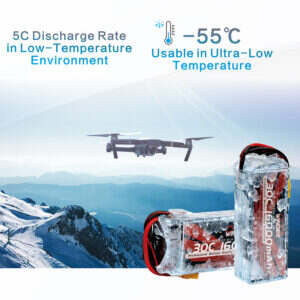
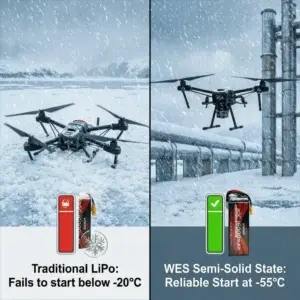
تحافظ بطاريات LIHV على أدائها عبر نطاق واسع من درجات الحرارة، على الرغم من أن الأداء يتدهور في درجات الحرارة القصوى. ويتراوح نطاق درجة حرارة التشغيل النموذجي بين -10 درجة مئوية و60 درجة مئوية، مع أداء أمثل بين 15 درجة مئوية و35 درجة مئوية. بعض بطاريات LIHV المتخصصة مصممة لتعمل في نطاقات درجات حرارة موسعة، تتراوح من -20 درجة مئوية إلى 70 درجة مئوية أو أكثر، مما يجعلها مناسبة للاستخدامات في البيئات القاسية.
المعايير والشهادات الدولية
يجب أن تستوفي بطاريات LIHV معايير السلامة والجودة الدولية الصارمة:
رقم الأمم المتحدة 38.3: ينظم هذا المعيار الصادر عن الأمم المتحدة نقل بطاريات الليثيوم ويضمن استيفاء البطاريات لمتطلبات السلامة الخاصة بالنقل الجوي والبري. وتعد شهادة UN38.3 ضرورية لشحن البطاريات دوليًا.
IEC 61960: يحدد هذا المعيار الدولي متطلبات بطاريات الليثيوم الثانوية والبطاريات المخصصة للاستخدامات المحمولة. ويضمن الامتثال لهذا المعيار جودة وسلامة متسقتين بين مختلف الشركات المصنعة.
علامة CE: شهادة الاتحاد الأوروبي التي تشير إلى أن البطارية تستوفي متطلبات الصحة والسلامة وحماية البيئة الخاصة بالمنتجات التي تُباع في الاتحاد الأوروبي.
UL 1642: معيار مختبرات «أندررايترز» (Underwriters Laboratories) الخاص بسلامة بطاريات الليثيوم المستخدمة في المنتجات الاستهلاكية.
التطبيقات وحالات الاستخدام
طائرات الدرونز المخصصة لسباقات FPV
تُعد سباقات FPV (منظور الشخص الأول) واحدة من أكثر التطبيقات تطلبًا لتقنية البطاريات. يطالب سائقو السباقات بأقصى قدر من الطاقة الناتجة، وتسارع سريع الاستجابة، وأداء ثابت طوال فترة الطيران. وتتميز بطاريات LIHV في هذا المجال، حيث توفر ميزة الطاقة 8-10% التي غالبًا ما تحدد نتائج السباق. ويضمن الاستقرار الفائق للجهد استجابة ثابتة لمقبض التحكم في السرعة أثناء المناورات المكثفة، بينما تتيح كثافة الطاقة الأعلى تصنيع حزم بطاريات أخف وزنًا تعزز رشاقة الطائرات بدون طيار.
تستخدم فرق السباق المحترفة بطاريات LIHV حصريًّا، إدراكًا منها أن الميزة في الأداء تبرر التكلفة الأعلى. وتستخدم التكوينات النموذجية في السباقات بطاريات LIHV من نوع 4S بمعدلات تفريغ تتراوح بين 100 و150C، مما يوفر خرج طاقة فائقًا لتحقيق أقصى أداء.
عمليات الطائرات بدون طيار بعيدة المدى
يولي مشغلو الطائرات بدون طيار التجارية التي تنفذ مهام بعيدة المدى الأولوية لزيادة مدة الطيران وكفاءة استهلاك الطاقة. وتتيح الكثافة الطاقية الفائقة لبطاريات LIHV تحقيق أوقات طيران أطول دون زيادة الوزن، مما يؤدي إلى تحسين قدرات المهمة بشكل مباشر. ويمكن للطائرة بدون طيار بعيدة المدى المزودة ببطاريات LIHV أن تحقق مدة طيران أطول بمقدار 10-15% مقارنةً بمعدات مماثلة تستخدم بطاريات LiPo القياسية.
يستفيد المشغلون الزراعيون الذين يقومون بمراقبة المحاصيل أو الرش الدقيق أو رسم خرائط الحقول بشكل كبير من القدرة على العمل لفترات طويلة التي تتميز بها بطاريات LIHV. وتؤدي القدرة على تغطية مساحة أكبر في كل رحلة إلى خفض التكاليف التشغيلية وتحسين الإنتاجية.
التطبيقات الصناعية لنقل الأحمال الثقيلة
تتطلب الطائرات بدون طيار الصناعية التي تحمل حمولات ثقيلة — مثل معدات الفحص، أو أجهزة المسح، أو شحنات التوصيل — أقصى قدر من الطاقة وأداءً موثوقًا. توفر بطاريات LIHV الطاقة المستمرة اللازمة لعمليات رفع الأحمال الثقيلة مع الحفاظ على الاستقرار الحراري في ظل ظروف الحمل العالي المستمر. ويضمن الاستقرار الفائق للجهد كهربائي قدرة رفع ثابتة طوال الرحلة، مما يمنع تدهور الأداء مع تفريغ البطارية.
التكنولوجيا الزراعية
تعتمد الزراعة الحديثة بشكل متزايد على تكنولوجيا الطائرات بدون طيار في مجالات الزراعة الدقيقة، ومراقبة صحة المحاصيل، واستخدام المبيدات بشكل موجه. تتيح بطاريات LIHV فترات طيران أطول وعمليات أكثر كفاءة، مما يقلل من عدد مرات تغيير البطاريات المطلوبة خلال يوم العمل. وبالنسبة للعمليات واسعة النطاق التي تدير مئات الأفدنة، فإن هذه الكفاءة تُترجم إلى وفورات كبيرة في التكاليف.
عمليات الاستجابة للطوارئ وعمليات الإنقاذ
تعتمد فرق الاستجابة للطوارئ التي تستخدم الطائرات بدون طيار في عمليات البحث والإنقاذ، وتقييم الكوارث، أو توصيل الإمدادات الطبية الطارئة، على بطاريات موثوقة وعالية الأداء. توفر بطاريات LIHV القدرة على العمل لفترات طويلة وتزويد الطاقة بشكل ثابت، وهما أمران ضروريان للعمليات الحرجة التي لا يمكن المساومة فيها على الأداء.
الأجهزة الإلكترونية الاستهلاكية والأجهزة المحمولة
إلى جانب الطائرات بدون طيار والمركبات التي يتم التحكم فيها عن بُعد، يتزايد اعتماد تقنية LIHV في الأجهزة الإلكترونية الاستهلاكية عالية الأداء، بما في ذلك ملحقات الألعاب، والأدوات الكهربائية المحمولة، والأجهزة القابلة للارتداء. وتتيح الكثافة العالية للطاقة تصميمات أكثر إحكاما دون المساس بالأداء أو عمر البطارية.
المزايا والعيوب
المزايا الرئيسية لبطاريات LIHV
زيادة القدرة على الإخراج: تُترجم الميزة التي تتمتع بها طراز 8-10% في مجال القوة إلى سرعات أعلى، وتسارع أسرع، وأداء أكثر استجابة في جميع الاستخدامات. وبالنسبة للطائرات بدون طيار المخصصة للسباق، غالبًا ما تكون هذه الميزة عاملاً حاسماً في البيئات التنافسية.
كثافة طاقة فائقة: تتميز بطاريات LIHV بتخزين كمية أكبر من الطاقة لكل وحدة وزن، مما يتيح فترات طيران أطول دون زيادة الوزن. وتعد هذه الميزة ذات قيمة خاصة في العمليات طويلة المدى والتطبيقات التي تتطلب دقة في الوزن.
تقليل انخفاض الجهد: تحافظ بطاريات LIHV على جهد كهربائي أكثر استقرارًا تحت الحمل، مما يضمن أداءً ثابتًا طوال دورة التفريغ. وتعد هذه الخاصية بالغة الأهمية للتطبيقات التي تتطلب أداءً يمكن التنبؤ به وموثوقًا.
مقاومة داخلية أقل: تؤدي التكنولوجيا الكيميائية المتطورة وتصميم بطاريات LIHV إلى انخفاض المقاومة الداخلية، مما يتيح توفير الطاقة بكفاءة أكبر وتقليل توليد الحرارة. وتؤدي هذه الميزة في الكفاءة إلى إطالة عمر البطارية وتحسين مستوى السلامة.
خصائص حرارية محسّنة: تولد بطاريات LIHV حرارة أقل أثناء التفريغ، مما يعزز السلامة ويطيل العمر التشغيلي. وتكتسب هذه الميزة الحرارية أهمية خاصة في التطبيقات التي تتطلب أداءً عاليًا مع إخراج طاقة مرتفع ومستمر.
العيوب والمفاضلات
تدهور السعة بشكل أسرع: تتعرض بطاريات LIHV لفقدان سعة أسرع قليلاً بمرور الوقت مقارنةً ببطاريات LiPo القياسية. بعد 100 دورة شحن، يُتوقع فقدان سعة تبلغ حوالي 5.4% لبطاريات LIHV مقابل 3.8% لبطاريات LiPo القياسية. هذه المقايضة بين الأداء الأقصى والمتانة على المدى الطويل مقبولة في العديد من التطبيقات، ولكنها قد تكون عاملاً يجب أخذه في الاعتبار بالنسبة للمستخدمين المهتمين بالميزانية.
ارتفاع التكلفة: عادةً ما تتكلف بطاريات LIHV ما بين 15 و25% أكثر من بطاريات LiPo القياسية المماثلة. ويعكس هذا الفارق في السعر استخدام مواد وعمليات تصنيع متطورة، لكنه قد يكون باهظًا بالنسبة للمستخدمين العاديين أو في التطبيقات التي لا يُعد الأداء فيها عاملاً حاسماً.
متطلبات الشحن الخاصة: تتطلب بطاريات LIHV شواحن قادرة على توفير جهد شحن أعلى يبلغ 4.35 فولت لكل خلية. ولا يمكن لشواحن LiPo القياسية شحن بطاريات LIHV بأمان حتى سعتها الكاملة. ويستلزم هذا الشرط الاستثمار في معدات شحن متوافقة.
متطلبات تخزين أكثر صرامة: تتطلب بطاريات LIHV إجراءات تخزين أكثر دقة للحفاظ على عمرها الافتراضي. ويُعد الجهد المناسب للتخزين (حوالي 3.85 فولت لكل خلية) أمرًا بالغ الأهمية لمنع تدهور أدائها. وقد لا تكون إجراءات التخزين القياسية الخاصة ببطاريات LiPo هي الأنسب لبطاريات LIHV.
توافق محدود: قد لا تكون الأجهزة القديمة المصممة حصريًّا لبطاريات LiPo القياسية مُحسَّنة لتحقيق الأداء الأمثل لبطاريات LIHV. ورغم أن بطاريات LIHV متوافقة من الناحية المادية مع معظم موصلات وأجهزة LiPo، فإن تحقيق أقصى قدر من مزايا الأداء يتطلب استخدام أجهزة مصممة خصيصًا لبطاريات LIHV.
السلامة والشهادات
اعتبارات السلامة
تتميز بطاريات LIHV بأنها آمنة بطبيعتها عند استخدامها بشكل صحيح، ولكنها، شأنها شأن جميع البطاريات التي تعتمد على الليثيوم، تتطلب معاملة وعناية مناسبتين. ويُعد فهم اعتبارات السلامة أمرًا ضروريًا للاستخدام المسؤول للبطارية.
سلامة الشحن: استخدم دائمًا شاحنًا مصممًا خصيصًا لبطاريات LIHV. لا تستطيع شواحن LiPo القياسية توفير جهد الشحن البالغ 4.35 فولت لكل خلية، وقد تتسبب في تلف البطارية أو تشكل مخاطر تتعلق بالسلامة. اشحن البطاريات داخل كيس أو حاوية شحن مقاومة للحريق لاحتواء أي حوادث محتملة. لا تترك البطاريات قيد الشحن دون مراقبة أبدًا.
سلامة التخزين: قم بتخزين بطاريات LIHV في درجة حرارة الغرفة في مكان بارد وجاف. تجنب تخزين البطاريات تحت أشعة الشمس المباشرة أو بالقرب من مصادر الحرارة. حافظ على جهد التخزين عند حوالي 3.85 فولت لكل خلية (حالة شحن 50% تقريبًا) لزيادة عمر البطارية إلى أقصى حد. لا تقم أبدًا بتخزين البطاريات المشحونة بالكامل أو التفريغ بالكامل لفترات طويلة.
إجراءات السلامة: افحص البطاريات بانتظام للتأكد من عدم وجود أي تلف مادي أو انتفاخ أو تسرب. يجب التخلص من البطاريات التالفة بطريقة آمنة وعدم استخدامها. تجنب حدوث قصر في الدائرة الكهربائية بين أطراف البطارية، حيث قد يؤدي ذلك إلى تفريغ سريع للبطارية، وتوليد الحرارة، ومخاطر محتملة لاندلاع حريق.
سلامة التفريغ: لا تقم أبدًا بتفريغ بطاريات LIHV إلى ما دون 3.0 فولت لكل خلية، حيث إن التفريغ الشديد قد يتسبب في أضرار دائمة ومخاطر تتعلق بالسلامة. وتشتمل معظم الأجهزة عالية الجودة على نظام حماية من انخفاض الجهد (LVC) لمنع التفريغ المفرط تلقائيًا.
الشهادات الدولية
شهادة UN38.3: يضمن معيار الأمم المتحدة هذا أن البطاريات تستوفي متطلبات السلامة الصارمة الخاصة بالنقل. وقد خضعت البطاريات الحاصلة على شهادة UN38.3 لاختبارات مكثفة، بما في ذلك الاختبارات الحرارية، واختبارات الدائرة القصيرة الخارجية، واختبارات الصدمات. وتعد هذه الشهادة ضرورية للبطاريات التي يتم شحنها دوليًا، لا سيما عن طريق الجو.
التوافق مع المعيار IEC 61960: يحدد هذا المعيار الدولي متطلبات السلامة والأداء الخاصة ببطاريات الليثيوم الثانوية. ويضمن الامتثال لهذا المعيار جودة متسقة بين مختلف الشركات المصنعة، كما يوفر ضمانًا بأداء آمن وموثوق.
علامة CE: شهادة الاتحاد الأوروبي التي تشير إلى الامتثال لمتطلبات الصحة والسلامة وحماية البيئة. البطاريات التي تحمل علامة CE معتمدة للبيع والاستخدام في جميع أنحاء الاتحاد الأوروبي.
شهادة UL 1642: شهادة مختبرات أندررايترز (Underwriters Laboratories) التي تضمن استيفاء البطاريات لمتطلبات السلامة الصارمة اللازمة لاستخدامها في المنتجات الاستهلاكية. وقد خضعت البطاريات الحاصلة على شهادة UL 1642 لاختبارات شاملة للتأكد من سلامتها الكهربائية والحرارية والميكانيكية.
معايير ضمان الجودة
تطبق الشركات المرموقة المصنعة لبطاريات LIHV برامج شاملة لضمان الجودة تشمل ما يلي:
-اختيار الخلية: إجراء اختبارات دقيقة على الخلايا الفردية لضمان جودة ثابتة
-مراقبة جودة التجميع: عمليات تصنيع دقيقة تتضمن نقاط فحص متعددة
-اختبار الأداء: إجراء اختبارات شاملة للبطاريات النهائية، بما في ذلك السعة ومعدل التفريغ والتحقق من عمر الدورات
-اختبارات السلامة: اختبارات السلامة الحرارية والميكانيكية والكهربائية لضمان التشغيل الآمن
مستقبل تكنولوجيا LIHV
التطورات المستجدة
تستمر تقنية بطاريات LIHV في التحسن. وقد تؤدي بعض التغييرات الجديدة إلى تعزيز الأداء وتوسيع نطاق الاستخدامات قريبًا.
بطاريات الجهد الفائق (UHV): قد تصل سعة الشحن لبطاريات الليثيوم عالية الجهد من الجيل القادم إلى 4.4 فولت أو 4.5 فولت لكل خلية. ومن شأن ذلك أن يرفع كثافة الطاقة ومعدل إنتاج الطاقة. ولا تزال هذه البطاريات قيد التطوير، وقد يتم طرحها في الأسواق خلال السنتين أو الثلاث سنوات القادمة.
البطاريات الصلبة: تستبدل البطاريات الصلبة الإلكتروليت السائل بمادة صلبة. وقد توفر كثافة طاقة أعلى، وأمانًا أفضل، وعمرًا تشغيليًّا أطول. ولا تزال هذه التكنولوجيا قيد التطوير. وقد تصبح مستقبل البطاريات على المدى الطويل. ويمكن أن تحل محل البطاريات التي تعمل بالإلكتروليت السائل في العديد من التطبيقات.
المواد المتطورة: تستمر الأبحاث الجارية حول مواد الكاثود الجديدة ومواد الأنود وتركيبات الإلكتروليت في تحسين أداء البطاريات. وتُعد البطاريات المعززة بالجرافين، والأنودات القائمة على السيليكون، ومواد الكاثود المتطورة، من العوامل الواعدة لتحسين الأداء في المستقبل.
الإدارة الحرارية: ستتضمن بطاريات LIHV المستقبلية أنظمة متطورة لإدارة الحرارة، بما في ذلك مواد التغيير الطوري والتبريد النشط، من أجل الحفاظ على درجات حرارة التشغيل المثلى وإطالة عمر البطارية.
اتجاهات السوق
يشهد سوق بطاريات المركبات الخفيفة ذات الشحن العالي (LIHV) نمواً سريعاً، مع تزايد استخدامها في التطبيقات الاستهلاكية والتجارية والصناعية. ويتوقع محللو السوق أن ينمو سوق بطاريات LIHV العالمي بمعدل 6.5% سنوياً حتى عام 2032، مدفوعاً بالطلب المتزايد على البطاريات عالية الأداء في الطائرات بدون طيار والمركبات التي تعمل بالتحكم عن بُعد والأجهزة الإلكترونية المحمولة.
تشكل التطبيقات المهنية، ولا سيما الطائرات بدون طيار التجارية والمعدات الصناعية، المحرك الرئيسي للنمو الأسرع. ومع تزايد أهمية تكنولوجيا البطاريات في تحقيق الكفاءة التشغيلية والقدرة على أداء المهام، تمنح المؤسسات أولوية متزايدة لبطاريات LIHV عالية الأداء على البدائل الأقل تكلفة.
الخلاصة والخطوات التالية
تمثل تقنية بطاريات LIHV تطوراً كبيراً في مجال تخزين الطاقة، حيث توفر أداءً فائقاً وكثافة طاقة أعلى وموثوقية محسّنة مقارنةً ببطاريات LiPo القياسية. وسواء كنت تقود طائرة بدون طيار مخصصة للسباق، أو تشغل طائرة بدون طيار تجارية، أو تدير معدات صناعية، فإن بطاريات LIHV توفر ميزة الأداء اللازمة للتطبيقات التي تتطلب أداءً عالياً.
ينبغي أن يأخذ قرار اعتماد تقنية بطاريات LIHV في الاعتبار متطلبات الاستخدام المحددة لديك، وأولويات الأداء، والقيود المتعلقة بالميزانية. بالنسبة للاستخدامات التي تعطي الأولوية للأداء الأقصى — مثل سباقات FPV أو عمليات رفع الأحمال الثقيلة — تُعد بطاريات LIHV الخيار الأمثل بلا شك. أما بالنسبة للاستخدامات التي تُعد التكلفة فيها الشاغل الرئيسي أو التي يكون فيها الأداء أقل أهمية، فقد تظل بطاريات LiPo القياسية هي الخيار المناسب.
هل أنت مستعد للترقية إلى بطارية LIHV?
إذا توصلت إلى أن بطاريات LIHV مناسبة لاستخدامك، فإن الخطوة التالية هي اختيار التكوين المناسب للبطارية وفقًا لاحتياجاتك المحددة. ضع في اعتبارك عوامل مثل السعة (مللي أمبير في الساعة)، ومعدل التفريغ (تصنيف C)، وعدد الخلايا (1S، 2S، 4S، إلخ)، والأبعاد المادية.
تصفح أدلةنا التفصيلية:
-بطارية LIHV مقابل بطارية LiPo: مقارنة تقنية مفصلة – فهم الاختلافات المحددة في الأداء
-دليل شحن بطاريات LIHV: السلامة وأفضل الممارسات – تعلم إجراءات الشحن الصحيحة
-مواصفات بطارية LIHV: مرجع تقني – الاطلاع على المواصفات الفنية التفصيلية
-تطبيقات بطاريات LIHV: القطاعات وحالات الاستخدام – اكتشف التطبيقات التي تناسب احتياجاتك
هل تحتاج إلى مشورة خبير؟
تتخصص شركة WES Battery في بطاريات LIHV عالية الأداء المخصصة للتطبيقات التي تتطلب أداءً عاليًا. يمكن لفريق خبراء البطاريات لدينا مساعدتك في اختيار التكوين المثالي للبطارية الذي يلبي احتياجاتك المحددة، سواء كنت تقوم بتصنيع طائرة بدون طيار مخصصة للسباق، أو تشغل طائرة بدون طيار تجارية، أو تدير معدات صناعية.
اتصل بخبراء البطاريات لدينا اليوم:
-البريد الإلكتروني: info@wesbattery.com
-الهاتف: +86 133 526 13095
نبذة عن بطارية WES
تُعد شركة WES Battery إحدى الشركات الرائدة في تصنيع بطاريات الليثيوم عالية الأداء المخصصة للتطبيقات التي تتطلب أداءً عاليًا. وبفضل خبرة تزيد عن 20 عامًا و136 براءة اختراع في مجال تكنولوجيا البطاريات، توفر WES Battery حلولًا مبتكرة للبطاريات المستخدمة في سباقات FPV والطائرات بدون طيار التجارية والمعدات الصناعية والأجهزة الإلكترونية الاستهلاكية. إن التزامنا بالجودة والسلامة والأداء يجعلنا الخيار الموثوق به للمحترفين في جميع أنحاء العالم.
فرص الربط الداخلي
يجب أن تحتوي صفحة «المحور» هذه على روابط إلى الصفحات الفرعية التالية:
1.بطارية LIHV مقابل بطارية LiPo: مقارنة تقنية مفصلة – الرابط الموجود في قسم «LIHV مقابل LiPo: الاختلافات الرئيسية»
2.دليل شحن بطاريات LIHV: السلامة وأفضل الممارسات – الرابط الموجود في قسم «السلامة والشهادات»
3.مواصفات بطارية LIHV: مرجع تقني – الرابط الموجود في قسم «مواصفات ومعايير بطاريات LIHV»
4.تطبيقات بطاريات LIHV: القطاعات وحالات الاستخدام – الرابط الموجود في قسم «التطبيقات وحالات الاستخدام»
5.سلامة بطاريات LIHV والشهادات: الامتثال والمعايير – الرابط الموجود في قسم «السلامة والشهادات»