

LIHV Specifications: Technical Reference & Standards
تاريخ النشر: 15 يونيو 2026
آخر تحديث: 15 يونيو 2026
وقت القراءة: 6 minutes
مقدمة
Understanding LIHV specifications is essential for selecting the right battery for your application, ensuring compatibility with your equipment, and maintaining safe operation. This technical reference guide provides comprehensive specification information for LIHV batteries, from voltage and capacity to discharge rates and certifications.
ل.ل.هـ.ف المواصفات Standard LIHV Voltage Ratings
|
الإعدادات
|
الجهد الاسمي
|
Maximum Charge
|
Minimum Safe
|
نطاق الجهد الكهربائي
|
|
1S LIHV
|
3.85V
|
4.45 فولت
|
3.0 فولت
|
1.45V
|
|
2S LIHV
|
7.7 فولت
|
8.9 فولت
|
6.0V
|
2.9V
|
|
3S LIHV
|
11.55 فولت
|
13.35 فولت
|
9.0V
|
4.35V
|
|
4S LIHV
|
15.4 فولت
|
17.8 فولت
|
12.0V
|
5.8V
|
|
5S LIHV
|
19.25V
|
22.25V
|
15.0 فولت
|
7.25V
|
|
6S LIHV
|
23.1 فولت
|
26.7 فولت
|
18.0V
|
8.7V
|
Voltage Comparison: LIHV vs LiPo
|
الإعدادات
|
LiPo Nominal
|
LIHV Nominal
|
Difference
|
% Increase
|
|
1S
|
3.7V
|
3.85V
|
+0.15V
|
+4.05%
|
|
2S
|
7.4V
|
7.7 فولت
|
+0.3V
|
+4.05%
|
|
4S
|
14.8 فولت
|
15.4 فولت
|
+0.6V
|
+4.05%
|
|
6S
|
22.2 فولت
|
23.1 فولت
|
+0.9V
|
+4.05%
|
Capacity Specifications
Common Capacity Ratings
LIHV batteries are available in a wide range of capacities to suit different applications:
Micro Drones & Racing:
-300mAh – Ultra-lightweight racing
-450mAh – Lightweight FPV racing
-550mAh – Standard FPV racing
-650mAh – Extended racing
Standard Drones & RC:
-1000mAh – Compact drones
-1500mAh – Standard drones
-2000mAh – Extended flight
-2500mAh – Long endurance
Heavy-Lift & Industrial:
-3000mAh – Industrial operations
-4000mAh – Heavy payloads
-5000mAh – Extended operations
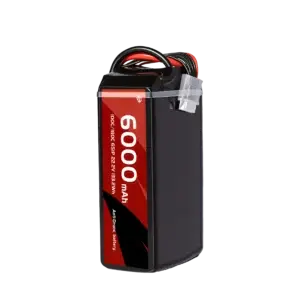
-6000mAh+ – Maximum capacity
Capacity Measurement
mAh (Milliamp-hours): Indicates how much current the battery can deliver over one hour.
-Example: 5000mAh battery can deliver 5000mA (5A) for 1 hour
-Or 1000mA (1A) for 5 hours
-Or 10000mA (10A) for 30 minutes
Wh (Watt-hours): Total energy stored in the battery.
-Formula: Wh = mAh × Voltage ÷ 1000
-Example: 5000mAh × 15.4V ÷ 1000 = 77Wh
كثافة الطاقة
LIHV batteries typically achieve 160-200 Wh/kg energy density, compared to 150-180 Wh/kg for standard LiPo batteries.
Energy Density Calculation:
-Energy Density (Wh/kg) = Total Energy (Wh) ÷ Weight (kg)
-Example: 76Wh ÷ 0.27kg = 281 Wh/kg

مواصفات معدل التفريغ
C-Rating Explained
The C-rating indicates the maximum safe discharge rate of a battery.
C-Rating Formula:
-Maximum Current (A) = Capacity (mAh) × C-Rating ÷ 1000
-Example: 5000mAh × 100C ÷ 1000 = 500A maximum discharge
Common C-Ratings
|
C-Rating
|
التطبيق
|
Typical Use
|
|
50C
|
Casual flying
|
Beginner drones, casual operations
|
|
75C
|
Standard performance
|
Commercial drones, general use
|
|
100C
|
High performance
|
Racing drones, aggressive flying
|
|
120C
|
أداء فائق
|
Competitive racing, maximum power
|
|
150C+
|
Ultra-high performance
|
Professional racing, specialized applications
|
Continuous vs. Burst Discharge
Continuous Discharge Rate: Maximum current the battery can safely deliver continuously.
-Typically 60-80% of burst rating
-Example: 100C burst, 60-80C continuous
Burst Discharge Rate: Maximum current for short periods (typically 10-30 seconds).
-Higher than continuous rating
-Used for acceleration and aggressive maneuvers
Discharge Rate Impact
|
معدل التفريغ
|
توليد الحرارة
|
إجهاد البطارية
|
الأداء
|
التأثير على العمر المتوقع
|
|
50% of max
|
الحد الأدنى
|
الحد الأدنى
|
الخط الأساسي
|
+10-15% longer
|
|
75% of max
|
منخفضة
|
منخفضة
|
Good
|
الخط الأساسي
|
|
100% of max
|
معتدل
|
معتدل
|
ممتاز
|
-5-10% shorter
|
|
>100% of max
|
عالية
|
عالية
|
الحد الأقصى
|
-15-25% shorter
|
Physical Dimensions & Weight
Standard Form Factors
|
القدرة الاستيعابية
|
Typical Dimensions (mm)
|
Typical Weight (g)
|
كثافة الطاقة
|
|
550mAh 2S
|
40 × 30 × 20
|
29-31
|
18+ Wh/kg
|
|
1000mAh 3S
|
65 × 35 × 25
|
68-72
|
19+ Wh/kg
|
|
2000mAh 4S
|
110 × 35 × 30
|
145-155
|
20+ Wh/kg
|
|
5000mAh 4S
|
150 × 50 × 35
|
270-290
|
20+ Wh/kg
|
|
10000mAh 6S
|
180 × 60 × 40
|
580-620
|
21+ Wh/kg
|
Weight Comparison: LIHV vs LiPo
LIHV batteries are typically 3-5% lighter than equivalent LiPo batteries due to higher energy density:
|
القدرة الاستيعابية
|
LiPo Weight
|
LIHV Weight
|
Difference
|
% Reduction
|
|
550mAh 2S
|
30.2g
|
29.3g
|
-0.9g
|
-3%
|
|
5000mAh 4S
|
285g
|
270g
|
-15g
|
-5.3%
|
|
10000mAh 6S
|
620g
|
590g
|
-30g
|
-4.8%
|
Temperature Specifications
نطاق درجة حرارة التشغيل
|
نطاق درجات الحرارة
|
Status
|
Recommendations
|
|
أقل من -20 درجة مئوية
|
غير موصى به
|
Do not use; risk of damage
|
|
-20°C to -10°C
|
تشغيل محدود
|
Reduced performance; use with caution
|
|
-10°C to 0°C
|
Acceptable
|
Reduced performance; monitor carefully
|
|
0°C to 15°C
|
Good
|
Acceptable performance; slight reduction
|
|
من 15 درجة مئوية إلى 35 درجة مئوية
|
Optimal
|
Maximum performance; ideal range
|
|
من 35 درجة مئوية إلى 45 درجة مئوية
|
Acceptable
|
Acceptable performance; monitor temperature
|
|
45°C to 60°C
|
تشغيل محدود
|
Reduced performance; stop if exceeds 60°C
|
|
Above 60°C
|
Dangerous
|
Stop operation immediately; risk of damage
|
Storage Temperature
Optimal Storage: 15-25°C (59-77°F)
جهد التخزين: 3.85V per cell (approximately 50% charge)
Temperature Effects on Performance
|
درجة الحرارة
|
القدرة الاستيعابية
|
الفولتية
|
Power Output
|
التأثير على العمر المتوقع
|
|
5°C
|
-10%
|
-5%
|
-15%
|
الحد الأدنى
|
|
15°C
|
-5%
|
-2%
|
-8%
|
الحد الأدنى
|
|
25°C
|
100%
|
100%
|
100%
|
الخط الأساسي
|
|
35°C
|
-3%
|
-2%
|
-5%
|
Slight reduction
|
|
45°C
|
-8%
|
-5%
|
-12%
|
Moderate reduction
|
Cycle Life & Degradation
مواصفات دورة الحياة
Typical LIHV Battery Cycle Life:
-Usable cycles: 250-400 cycles (to 80% capacity)
-Cycle life varies by:
-Charge/discharge rate
-Operating temperature
-Depth of discharge
-Storage procedures
Capacity Degradation Over Time
|
Cycle Count
|
الحفاظ على السعة
|
Condition
|
|
0 cycles
|
100%
|
New battery
|
|
50 cycles
|
98-99%
|
ممتاز
|
|
100 cycles
|
94.6%
|
Good
|
|
150 cycles
|
91-93%
|
Acceptable
|
|
200 cycles
|
87-90%
|
عادل
|
|
250 cycles
|
83-86%
|
Acceptable for casual use
|
|
300 cycles
|
78-82%
|
Consider replacement
|
|
400+ cycles
|
<75%
|
End of life
|
Factors Affecting Cycle Life
|
العامل
|
التأثير
|
Optimization
|
|
معدل الشحن
|
High rate = shorter life
|
Use 0.5-1C rate
|
|
معدل التفريغ
|
High rate = shorter life
|
Use <80% of max rating
|
|
درجة الحرارة
|
Hot = shorter life
|
Maintain 15-35°C
|
|
عمق التفريغ
|
Deep discharge = shorter life
|
Avoid discharging below 3.0V
|
|
Storage
|
Poor storage = shorter life
|
Store at 3.85V per cell
|
Safety & Certification Standards
الشهادات الدولية
UN38.3 (United Nations Manual of Tests and Criteria)
-Governs transport of lithium batteries
-Ensures batteries meet safety requirements
-Required for international shipping
-Tests include thermal, external short circuit, impact
IEC 61960 (International Electrotechnical Commission)
-Standard for secondary lithium batteries
-Specifies safety and performance requirements
-Ensures consistent quality
-Covers electrical, thermal, mechanical safety
CE Marking (European Union)
-Indicates compliance with EU regulations
-Required for sale in European Union
-Covers health, safety, environmental protection
-Manufacturer responsibility for compliance
UL 1642 (Underwriters Laboratories)
-Standard for lithium batteries in consumer products
-Comprehensive safety testing
-Covers electrical, thermal, mechanical safety
-Required for many consumer applications
Safety Specifications
|
المواصفات
|
LIHV Requirement
|
Test Method
|
|
الاستقرار الحراري
|
Withstand 55°C without rupture
|
Thermal chamber testing
|
|
Electrical Safety
|
No short circuit damage
|
External short circuit test
|
|
Mechanical Safety
|
Withstand impact without rupture
|
Drop and impact testing
|
|
الحماية من الشحن الزائد
|
Safe at 4.35V per cell
|
Overcharge testing
|
|
Over-discharge Protection
|
Safe at 2.5V per cell
|
Over-discharge testing
|
Connector Types & Compatibility
Common Connector Types
|
الموصل
|
Typical Applications
|
Current Rating
|
المزايا
|
|
JST-XH
|
Micro drones
|
10A
|
Compact, lightweight
|
|
XT30
|
Small drones
|
30A
|
Compact, reliable
|
|
XT60
|
Standard drones
|
60A
|
Most common, reliable
|
|
XT90
|
Heavy-lift, high power
|
90A
|
High current, reliable
|
|
EC3/EC5
|
Racing drones
|
60A/120A
|
Compact, secure
|
Connector Compatibility
LIHV batteries use the same connectors as standard LiPo batteries, ensuring physical compatibility. However, verify connector types match your equipment before purchase.
Performance Specifications Summary
Quick Reference Table
|
المواصفات
|
LIHV Standard
|
Typical Range
|
ملاحظات
|
|
Nominal Voltage (1S)
|
3.8V
|
3.7-3.9V
|
Higher than LiPo
|
|
Max Charge Voltage (1S)
|
4.35V
|
4.3-4.4V
|
Requires LIHV charger
|
|
Min Safe Voltage (1S)
|
3.0 فولت
|
2.8-3.0V
|
Avoid over-discharge
|
|
كثافة الطاقة
|
160-200 واط/ساعة/كجم
|
150-220 Wh/kg
|
Varies by design
|
|
دورة الحياة
|
250-400 دورة
|
200-500 cycles
|
Depends on usage
|
|
درجة حرارة التشغيل
|
-10°C to 60°C
|
من -20 درجة مئوية إلى 70 درجة مئوية
|
Varies by design
|
|
التفريغ الذاتي
|
2-3% شهريًّا
|
1-4% per month
|
الحد الأدنى
|
|
تذبذب الجهد
|
0.3-0.7V @ 100A
|
0.2-1.0V
|
Lower than LiPo
|
الخاتمة
Understanding LIHV battery specifications is essential for proper selection, safe operation, and maximum performance. Use this reference guide when:
-Selecting batteries for new equipment
-Verifying battery compatibility
-Troubleshooting performance issues
-Planning maintenance and replacement schedules
Need More Information?
Related Guides:
-الدليل الشامل لتقنية بطاريات LIHV – نظرة عامة شاملة
-دليل شحن بطارية LIHV – Charging procedures
-تطبيقات بطاريات LIHV – Use case guidance
اتصل بشركة WES Battery:
-البريد الإلكتروني: info@wesbattery.com
-الهاتف: +86 133 526 13095