

Технические характеристики LIHV: Технические справочные материалы и стандарты
Опубликовано: 15 июня 2026 года
Последнее обновление: 15 июня 2026 года
Время чтения: 6 минут
Введение
Понимание технических характеристик аккумуляторов LIHV имеет решающее значение для выбора подходящего аккумулятора для конкретного применения, обеспечения совместимости с вашим оборудованием и поддержания безопасности эксплуатации. Настоящее техническое справочное руководство содержит исчерпывающую информацию о технических характеристиках аккумуляторов LIHV — от напряжения и ёмкости до скорости разряда и сертификатов.
LIHV Технические характеристики Стандартные номинальные значения напряжения LIHV
|
Настройка
|
Номинальное напряжение
|
Максимальный заряд
|
Минимальный уровень безопасности
|
Диапазон напряжения
|
|
1S LIHV
|
3.85V
|
4,45 В
|
3,0 В
|
1,45 В
|
|
2S LIHV
|
7,7 В
|
8,9 В
|
6,0 В
|
2,9 В
|
|
3S LIHV
|
11,55 В
|
13,35 В
|
9,0 В
|
4.35V
|
|
4S LIHV
|
15,4 В
|
17,8 В
|
12,0 В
|
5,8 В
|
|
5S LIHV
|
19,25 В
|
22,25 В
|
15,0 В
|
7,25 В
|
|
6S LIHV
|
23,1 В
|
26,7 В
|
18,0 В
|
8,7 В
|
Сравнение напряжения: LIHV и LiPo
|
Настройка
|
Номинальная емкость LiPo
|
Номинальная мощность LIHV
|
Разница
|
Увеличение %
|
|
1S
|
3.7V
|
3.85V
|
+0,15 В
|
+4.05%
|
|
2S
|
7,4 В
|
7,7 В
|
+0,3 В
|
+4.05%
|
|
4S
|
14,8 В
|
15,4 В
|
+0,6 В
|
+4.05%
|
|
6S
|
22,2 В
|
23,1 В
|
+0,9 В
|
+4.05%
|
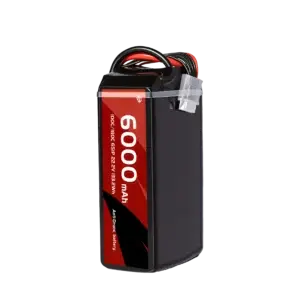
Технические характеристики по грузоподъёмности
Стандартные номинальные мощности
Аккумуляторы LIHV выпускаются с широким диапазоном ёмкости для различных областей применения:
Микродроны и гонки:
-300 мА·ч — сверхлегкие гоночные модели
-450 мА·ч — Легкие гоночные дроны с системой FPV
-550 мА·ч — стандартные гонки FPV
-650 мА·ч — удлиненный режим гонок
Стандартные дроны и радиоуправляемые модели:
-1000 мА·ч — компактные дроны
-1500 мА·ч — стандартные дроны
-2000 мА·ч — увеличенное время полёта
-2500 мА·ч — длительное время работы
Перевозка тяжеловесных грузов и промышленные перевозки:
-3000 мА·ч — промышленное использование
-4000 мА·ч — большие нагрузки
-5000 мА·ч — длительное время работы
-6000 мА·ч+ — максимальная ёмкость
Измерение производительности
мА·ч (миллиампер-часы): Показывает, какой ток аккумулятор может выдавать в течение одного часа.
-Пример: аккумулятор емкостью 5000 мА·ч может обеспечивать ток 5000 мА (5 А) в течение 1 часа
-Или 1000 мА (1 А) в течение 5 часов
-Или 10 000 мА (10 А) в течение 30 минут
Wh (ватт-часы): Общее количество энергии, накопленной в аккумуляторе.
-Формула: Wh = мА·ч × напряжение ÷ 1000
-Пример: 5000 мА·ч × 15,4 В ÷ 1000 = 77 Вт·ч
Плотность энергии
Плотность энергии аккумуляторов LIHV обычно составляет 160–200 Вт·ч/кг, тогда как у стандартных LiPo-аккумуляторов этот показатель составляет 150–180 Вт·ч/кг.
Расчет энергетической плотности:
-Плотность энергии (Вт·ч/кг) = Общая энергия (Вт·ч) ÷ Масса (кг)
-Пример: 76 Вт·ч ÷ 0,27 кг = 281 Вт·ч/кг

Технические характеристики скорости разряда
Объяснение рейтинга C
Рейтинг C указывает максимальную безопасную скорость разряда аккумулятора.
Формула расчета рейтинга C:
-Максимальный ток (А) = Емкость (мА·ч) × номинальный коэффициент C ÷ 1000
-Пример: 5000 мА·ч × 100C ÷ 1000 = 500 А (максимальный ток разряда)
Распространенные оценки категории C
|
Рейтинг C
|
Приложение
|
Типичные области применения
|
|
50C
|
Любительские полеты
|
Дроны для начинающих, повседневное использование
|
|
75 °C
|
Стандартные технические характеристики
|
Коммерческие дроны общего назначения
|
|
100 °C
|
Высокая производительность
|
Гоночные дроны, агрессивный стиль пилотирования
|
|
120 °C
|
Высочайшая производительность
|
Спортивные гонки, максимальная мощность
|
|
150C+
|
Сверхвысокая производительность
|
Профессиональные гонки, специализированные области применения
|
Непрерывная и импульсная разрядка
Скорость непрерывной подачи: Максимальный ток, который аккумулятор может безопасно подавать в непрерывном режиме.
-Как правило, номинальная пропускная способность составляет 60–80%
-Пример: кратковременный режим — 100 °C, непрерывный режим — 60–80 °C
Скорость импульсного разряда: Максимальный ток в течение коротких промежутков времени (обычно 10–30 секунд).
-Более высокий, чем непрерывный рейтинг
-Используется для ускорения и выполнения резких маневров
Влияние скорости разряда
|
Скорость разряда
|
Тепловыделение
|
Нагрузка на аккумулятор
|
Производительность
|
Влияние на продолжительность жизни
|
|
50% (максимум)
|
Минимальный
|
Минимальный
|
Исходные данные
|
+10–15% длиннее
|
|
75% (максимум)
|
Низкий
|
Низкий
|
Хорошо
|
Исходные данные
|
|
100% (максимум)
|
Умеренный
|
Умеренный
|
Отлично
|
-5-10%, укороченный
|
|
>100% (максимум)
|
Высокий
|
Высокий
|
Максимум
|
-15-25%, укороченный
|
Габаритные размеры и вес
Стандартные форм-факторы
|
Вместимость
|
Типовые размеры (мм)
|
Типичный вес (г)
|
Плотность энергии
|
|
550 мА·ч, 2S
|
40 × 30 × 20
|
29-31
|
18+ Вт·ч/кг
|
|
1000 мА·ч, 3S
|
65 × 35 × 25
|
68-72
|
19+ Вт·ч/кг
|
|
2000 мА·ч, 4S
|
110 × 35 × 30
|
145-155
|
20+ Вт·ч/кг
|
|
5000 мА·ч, 4S
|
150 × 50 × 35
|
270-290
|
20+ Вт·ч/кг
|
|
10 000 мА·ч, 6S
|
180 × 60 × 40
|
580-620
|
21+ Вт·ч/кг
|
Сравнение веса: LIHV и LiPo
Аккумуляторы LIHV, как правило, на 3-5% легче аналогичных LiPo-аккумуляторов благодаря более высокой энергетической плотности:
|
Вместимость
|
Вес LiPo-аккумулятора
|
Вес LIHV
|
Разница
|
Уменьшение %
|
|
550 мА·ч, 2S
|
30,2 г
|
29,3 г
|
-0,9 г
|
-3%
|
|
5000 мА·ч, 4S
|
285 г
|
270 г
|
-15 г
|
-5.3%
|
|
10 000 мА·ч, 6S
|
620 г
|
590 г
|
-30 г
|
-4.8%
|
Технические характеристики по температуре
Диапазон рабочих температур
|
Диапазон температур
|
Статус
|
Рекомендации
|
|
Ниже -20 °C
|
Не рекомендуется
|
Не использовать; существует риск повреждения
|
|
от -20 °C до -10 °C
|
Ограниченный режим работы
|
Снижение производительности; использовать с осторожностью
|
|
от -10 °C до 0 °C
|
Приемлемо
|
Снижение производительности; следует внимательно следить за работой системы
|
|
от 0 °C до 15 °C
|
Хорошо
|
Приемлемая производительность; небольшое снижение
|
|
от 15 °C до 35 °C
|
Оптимальный
|
Максимальная производительность; идеальный диапазон
|
|
от 35 °C до 45 °C
|
Приемлемо
|
Приемлемая производительность; следите за температурой
|
|
от 45 °C до 60 °C
|
Ограниченный режим работы
|
Снижение производительности; остановитесь, если температура превысит 60 °C
|
|
Свыше 60 °C
|
Опасно
|
Немедленно прекратите работу; существует риск повреждения
|
Температура хранения
Оптимальные условия хранения: 15–25 °C (59–77 °F)
Напряжение хранения: 3,85 В на элемент (примерно заряд 50%)
Влияние температуры на рабочие характеристики
|
Температура
|
Вместимость
|
Напряжение
|
Выходная мощность
|
Влияние на продолжительность жизни
|
|
5 °C
|
-10%
|
-5%
|
-15%
|
Минимальный
|
|
15 °C
|
-5%
|
-2%
|
-8%
|
Минимальный
|
|
25 °C
|
100%
|
100%
|
100%
|
Исходные данные
|
|
35 °C
|
-3%
|
-2%
|
-5%
|
Незначительное снижение
|
|
45 °C
|
-8%
|
-5%
|
-12%
|
Умеренное снижение
|
Срок службы и износ
Технические характеристики срока службы
Типичный ресурс аккумулятора LIHV:
-Количество рабочих циклов: 250–400 циклов (до емкости 80%)
-Срок службы зависит от следующих факторов:
-Скорость заряда/разряда
-Рабочая температура
-Глубина разгрузки
-Процедуры хранения
Снижение производительности с течением времени
|
Циклический учет
|
Сохранение производственной мощности
|
Состояние
|
|
0 циклов
|
100%
|
Новая батарея
|
|
50 циклов
|
98-99%
|
Отлично
|
|
100 циклов
|
94.6%
|
Хорошо
|
|
150 циклов
|
91-93%
|
Приемлемо
|
|
200 циклов
|
87-90%
|
Ярмарка
|
|
250 циклов
|
83-86%
|
Подходит для повседневного использования
|
|
300 циклов
|
78-82%
|
Рассмотрите возможность замены
|
|
Более 400 циклов
|
<75%
|
Конец срока службы
|
Факторы, влияющие на срок службы
|
Фактор
|
Воздействие
|
Оптимизация
|
|
Ставка заряда
|
Высокая скорость = меньший срок службы
|
Используйте скорость 0,5–1C
|
|
Скорость разряда
|
Высокая скорость = меньший срок службы
|
Используйте <80% с максимальным номиналом
|
|
Температура
|
Нагрев = сокращение срока службы
|
Поддерживать температуру в пределах 15–35 °C
|
|
Глубина разряда
|
Глубокая разрядка = сокращение срока службы
|
Не допускайте разряда ниже 3,0 В
|
|
Хранение
|
Неправильное хранение = сокращение срока службы
|
Хранить при напряжении 3,85 В на элемент
|
Стандарты безопасности и сертификации
Международные сертификаты
UN38.3 (Руководство Организации Объединенных Наций по испытаниям и критериям)
-Регулирует транспортировку литиевых батарей
-Гарантирует соответствие аккумуляторов требованиям безопасности
-Необходимо для международной доставки
-Испытания включают термические испытания, испытания на внешнее короткое замыкание и испытания на удар
IEC 61960 (Международная электротехническая комиссия)
-Стандарт на литиевые аккумуляторы вторичного заряда
-Определяет требования к безопасности и эксплуатационным характеристикам
-Обеспечивает стабильное качество
-Охватывает вопросы электрической, тепловой и механической безопасности
Маркировка CE (Европейский союз)
-Указывает на соответствие нормативным требованиям ЕС
-Обязательно для продажи в Европейском союзе
-Охватывает вопросы здравоохранения, безопасности и охраны окружающей среды
-Ответственность производителя за соблюдение требований
UL 1642 (Underwriters Laboratories)
-Стандарт на литиевые батареи в потребительских товарах
-Комплексное тестирование на безопасность
-Охватывает вопросы электрической, тепловой и механической безопасности
-Необходимо для многих потребительских приложений
Технические требования по безопасности
|
Технические характеристики
|
Требование LIHV
|
Метод испытания
|
|
Термическая стабильность
|
Выдерживает температуру 55 °C без разрыва
|
Испытания в термокамере
|
|
Электробезопасность
|
Отсутствие повреждений в результате короткого замыкания
|
Испытание на внешнее короткое замыкание
|
|
Механическая безопасность
|
Выдерживать удары без разрыва
|
Испытания на падение и удар
|
|
Защита от перезарядки
|
Безопасное напряжение — 4,35 В на элемент
|
Испытания на перезарядку
|
|
Защита от чрезмерной разрядки
|
Безопасно при напряжении 2,5 В на элемент
|
Испытания на чрезмерную разрядку
|
Типы разъемов и совместимость
Распространенные типы разъемов
|
Разъем
|
Типичные области применения
|
Номинальный ток
|
Преимущества
|
|
JST-XH
|
Микродроны
|
10А
|
Компактный, легкий
|
|
XT30
|
Небольшие дроны
|
30 А
|
Компактный, надежный
|
|
XT60
|
Стандартные дроны
|
60 А
|
Наиболее распространенный, надежный
|
|
XT90
|
Перевозка тяжелых грузов, высокая мощность
|
90 А
|
Высокий ток, надежность
|
|
EC3/EC5
|
Гоночные дроны
|
60 А/120 А
|
Компактный, надежный
|
Совместимость разъемов
Аккумуляторы LIHV используют те же разъемы, что и стандартные LiPo-аккумуляторы, что обеспечивает физическую совместимость. Однако перед покупкой убедитесь, что типы разъемов соответствуют вашему оборудованию.
Краткое изложение технических характеристик
Таблица кратких справочных данных
|
Технические характеристики
|
Стандарт LIHV
|
Типичный диапазон
|
Примечания
|
|
Номинальное напряжение (1S)
|
3.8V
|
3,7–3,9 В
|
Выше, чем у LiPo
|
|
Максимальное зарядное напряжение (1S)
|
4.35V
|
4,3–4,4 В
|
Требуется зарядное устройство LIHV
|
|
Минимальное безопасное напряжение (1S)
|
3,0 В
|
2,8–3,0 В
|
Не допускайте чрезмерной разрядки
|
|
Плотность энергии
|
160–200 Вт·ч/кг
|
150–220 Вт·ч/кг
|
Зависит от конструкции
|
|
Цикл жизни
|
250–400 циклов
|
200–500 циклов
|
Зависит от способа использования
|
|
Рабочая температура
|
от -10 °C до 60 °C
|
от -20 °C до 70 °C
|
Зависит от конструкции
|
|
Саморазряд
|
2–31 TP3T в месяц
|
1–41 TP3T в месяц
|
Минимальный
|
|
Просадка напряжения
|
0,3–0,7 В при 100 А
|
0,2–1,0 В
|
Ниже, чем у LiPo
|
Заключение
Понимание технических характеристик аккумуляторов LIHV имеет решающее значение для правильного выбора, безопасной эксплуатации и обеспечения максимальной производительности. Воспользуйтесь данным справочным руководством в следующих случаях:
-Выбор аккумуляторов для нового оборудования
-Проверка совместимости аккумулятора
-Устранение неполадок, связанных с производительностью
-Планирование графиков технического обслуживания и замены
Нужна дополнительная информация?
Связанные руководства:
-Полное руководство по технологии аккумуляторов LIHV – Подробный обзор
-Руководство по зарядке аккумуляторов LIHV – Порядок зарядки
-Области применения аккумуляторов LIHV – Рекомендации по вариантам использования
Свяжитесь с компанией WES Battery:
-Электронная почта: info@wesbattery.com
-Телефон: +86 133 526 13095