Введение
Proper LIHV battery charging is fundamental to LIHV battery performance, safety, and longevity. While LIHV batteries are inherently safe when used correctly, charging procedures differ significantly from standard LiPo batteries due to their higher maximum charge voltage (4.45V per cell vs. 4.2V for LiPo). Understanding these differences and following proper battery charging procedures is essential for maximizing battery lifespan and ensuring safe operation.
Этот всеобъемлющий battery charging guide covers everything you need to know about charging LIHV batteries safely and effectively, from selecting the right LIHV charger to optimizing charging procedures for maximum battery longevity. Whether you’re a professional operator or hobbyist, mastering LIHV battery charging techniques will extend your battery life and improve performance.
Understanding LIHV Charging Requirements
Why LIHV Batteries Require Special Chargers
LIHV batteries must be charged to 4.45V charging voltage per cell, compared to 4.2V for standard LiPo batteries. Standard LiPo chargers cannot deliver this higher voltage and will undercharge LIHV batteries, leaving them at only 94.4% capacity.
The Problem with Standard Chargers:
-Standard LiPo chargers max out at 4.2V per cell
-LIHV batteries charged to 4.2V deliver only 94.4% of their rated capacity
-You’re paying for full capacity but only getting partial performance
-The battery remains underutilized, defeating the purpose of choosing LIHV
Решение:
Use a LIHV charger specifically designed for LIHV batteries that can deliver 4.45V charging voltage per cell. Most modern multi-chemistry chargers include LIHV mode and can charge both LiPo and LIHV batteries properly. A quality LIHV charger is essential for proper battery charging и battery safety.
Voltage Specifications for Charging
Understanding voltage specifications is critical for proper LIHV battery charging:
Always verify your charger supports LIHV mode before attempting to charge LIHV batteries. Using an improper charger compromises battery safety and battery performance.
Selecting the Right LIHV Charger
-Only charge to 4.2V per cell
-Cannot charge LIHV batteries to full capacity
-Not recommended for LIHV batteries
Multi-Chemistry LIHV Chargers:
-Support both LiPo and LIHV charging modes
-Can charge to 4.2V (LiPo) or 4,45 В (LIHV) depending on mode selection
-Recommended for LIHV batteries
Smart LIHV Chargers with Balancing:
-Advanced multi-chemistry chargers with balance charging capability
-Ensure all cells charge evenly to prevent cell imbalance
-Highly recommended for optimal performance and battery safety
Key LIHV Charger Features to Look For
1. LIHV Charging Mode Support
Verify the LIHV charger explicitly supports LIHV charging mode. Check the manual or product specifications to confirm 4.45V charging возможность.
2. Balance Charging Capability
Balance charging ensures all cells in a multi-cell pack charge evenly. This is particularly important for LIHV batteries, which are more sensitive to cell imbalance. Proper balance charging is essential for battery safety.
3. Adjustable Charge Rate
Look for chargers allowing 0.5C to 2C charge rates. Lower rates (0.5-1C) are safer and extend battery lifespan, while higher rates (1-2C) are faster but generate more heat. Understanding charge rates is crucial for proper charging procedures.
4. Temperature Monitoring
Advanced chargers monitor battery temperature during charging and reduce charge rate if temperature rises above safe levels. This feature enhances battery safety во время LIHV battery charging.
5. Overcharge Protection
Quality chargers include automatic shutoff when the battery reaches full charge, preventing overcharging. This is critical for battery safety.
6. Short Circuit Protection
Built-in protection prevents damage from accidental short circuits. Essential for safe charging procedures.
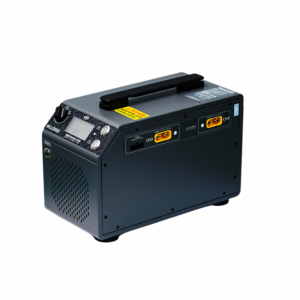
Recommended LIHV Charger Specifications
Minimum Requirements for LIHV Charging:
-4.45V charging capability (LIHV mode support)
-Balance charging capability
-Adjustable charge rate (minimum 0.5-1C)
-Automatic shutoff at full charge
-Battery safety features (overcharge protection, temperature monitoring)
-All minimum requirements plus:
-LCD display showing charge progress
-Programmable charging procedures
Step-by-Step Charging Procedure
Pre-Charging Inspection
Before charging any LIHV battery, perform a thorough inspection following these battery safety procedures:
-Check for physical damage, cracks, or leaks
-Look for swelling or deformation
-Inspect connectors for corrosion or damage
-Do not charge damaged batteries
-Measure battery voltage with a multimeter
-Voltage should be between 3.0V and 4,45 В per cell
-If voltage is below 3.0V per cell, the battery may be damaged
-Consult the battery manual for guidance
-Verify connectors are clean and undamaged
-Ensure connectors match your LIHV charger
-Do not force connectors; they should fit smoothly
LIHV Charging Setup
1.Select Proper Charging Mode
-Set charger to LIHV charging mode (not LiPo mode)
-Select balance charging mode if available
-Set charge rate to 1C (recommended for first charge)
2.Connect Battery to LIHV Charger
-Connect main battery connector to charger
-Connect balance connector to charger’s balance port
-Verify all connections are secure
3.Set Charging Parameters
-Confirm LIHV charging mode is selected
-Set charge rate to 1C for standard charging procedures
-Verify maximum voltage is set to 4,45 В per cell
-Enable balance charging if available
LIHV Battery Charging Process
-Press start button on charger
-Monitor charge progress on charger display
-Charging should begin immediately
-Check battery temperature (should stay below 45°C)
-Verify charger is displaying proper charge rate
-Do not leave battery unattended during charging
-Charge in a fireproof container or charging bag
-Follow proper battery safety procedures
-Charger will display “Full” or “Complete” when finished
-Charging typically takes 1-2 hours at 1C rate
-Do not over-charge; disconnect immediately when complete
-Allow battery to cool before use
Post-Charging Procedures
-Disconnect balance connector first
-Disconnect main connector second
-Verify charger displays “Ready” or “Standby”
-Allow battery to cool to room temperature before use
-Typically requires 15-30 minutes
-Do not use warm batteries; wait for cooling
-Measure battery voltage with multimeter
-Should read approximately 17.8V for 4S LIHV pack
-If voltage is significantly lower, investigate the issue
Charging Optimization Techniques
Optimal Charge Rate for LIHV Battery Charging
Charge Rate Impact on Battery Life:
Recommendation: Use 0.5-1C charge rate for regular LIHV battery charging. Reserve higher rates (1.5-2C) for situations requiring faster charging. Always follow proper charging procedures to maximize battery safety and longevity.
Temperature Management During LIHV Charging
Optimal Charging Temperature: 15-35°C (59-95°F)
Temperature Effects on Charging:
-Below 5°C: LIHV battery charging is unsafe; battery may be damaged
-5-15°C: Slow charging only; use 0.5C rate maximum
-15-35°C: Optimal range; use standard charging procedures
-35-45°C: Reduce charge rate to 0.5C; monitor temperature
-Above 45°C: Stop charging immediately; investigate issue
Temperature Management Tips:
-Charge in a cool environment
-Avoid charging in direct sunlight
-Ensure adequate ventilation around charger
-Use a temperature-monitoring LIHV charger
-Allow batteries to cool between charges
-Follow battery safety guidelines
Balance Charging Best Practices
Balance charging ensures all cells in a multi-cell pack charge evenly, preventing cell imbalance that can reduce performance and lifespan. This is critical for proper LIHV battery charging и battery safety.
Why Balance Charging Matters:
-Prevents individual cells from overcharging
-Ensures all cells reach 4,45 В равномерно
-Extends battery lifespan
-Improves performance consistency
Balance Charging Procedure:
1.Always use balance charging mode with your LIHV charger
2.Verify balance connector is properly connected
3.Monitor balance charging progress
4.Allow charger to complete balance process
5.Do not interrupt balance charging
Common Charging Problems and Solutions
Problem: Battery Won’t Charge
-Battery voltage too low (below 3.0V per cell)
1.Check battery voltage with multimeter
2.Verify charger connections are secure
3.Try different LIHV charger if available
4.Inspect battery for damage
Problem: Charging Takes Too Long
-Battery capacity is very high
-Charger power supply insufficient
1.Increase charge rate to 1C (if safe)
2.Check charger power specifications
3.Charge in warmer environment (15-35°C)
4.Verify proper charging procedures are being followed
Problem: Battery Gets Hot During Charging
-Ambient temperature too high
1.Reduce charge rate to 0.5C
2.Charge in cooler environment
3.Stop charging and inspect battery
4.Try different LIHV charger
5.Consult battery safety guidelines
Problem: Charger Shows Error Message
-Battery voltage out of range
-Incompatible battery type
1.Check battery voltage with multimeter
2.Allow battery to rest, then try again
3.Try balance charging mode
5.Contact manufacturer support
LIHV Battery Charging Safety Checklist
Before every LIHV battery charging session, verify:
Following these charging procedures ensures optimal battery safety and battery longevity.
Заключение
Mastering proper LIHV battery charging is essential for maximizing battery performance, safety, and lifespan. By understanding the unique requirements of LIHV chargers, following proper charging procedures, and implementing best practices for battery charging, you can ensure your LIHV batteries deliver peak performance for years to come.
-Always use a LIHV charger that supports 4.45V charging
-Follow proper charging procedures for optimal results
-Prioritize battery safety in every charging session
-Use balance charging for multi-cell packs
-Monitor temperature and charge rate
-Store batteries at proper voltage between uses
Ready to Master LIHV Battery Charging?
Ознакомьтесь с похожими руководствами:
Свяжитесь с компанией WES Battery:
Our battery experts can help you select the perfect LIHV charger and master proper charging procedures for your specific application.