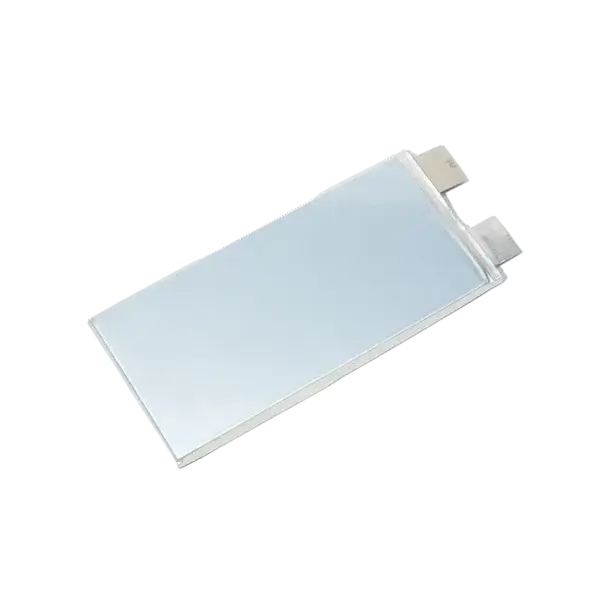
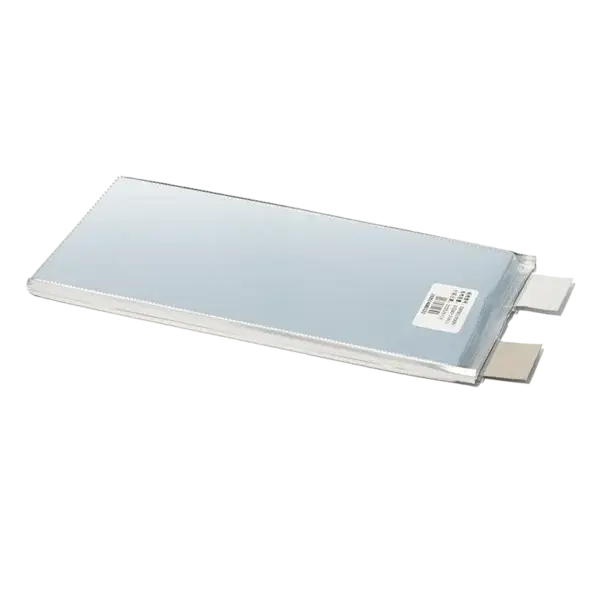
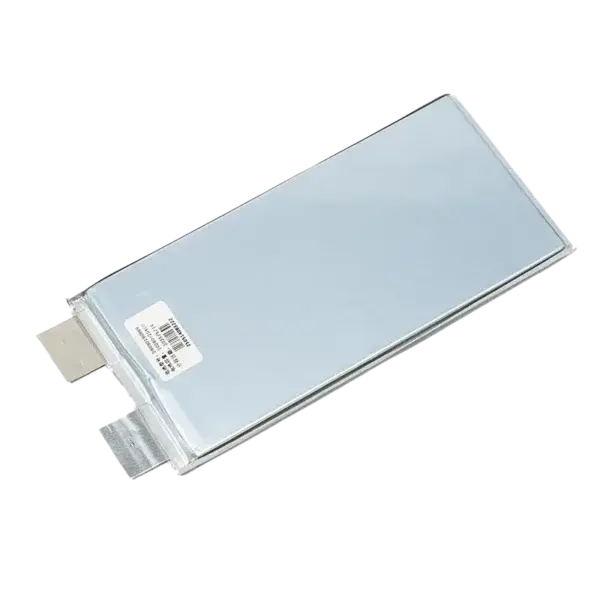
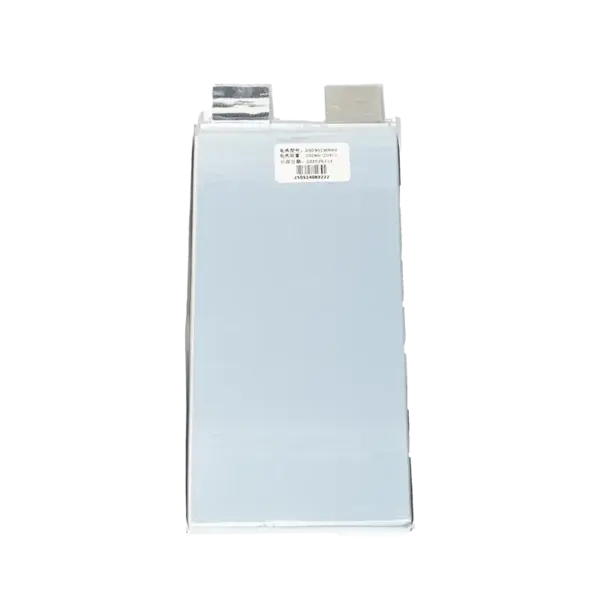
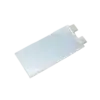
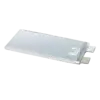
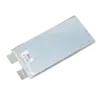
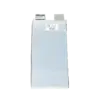
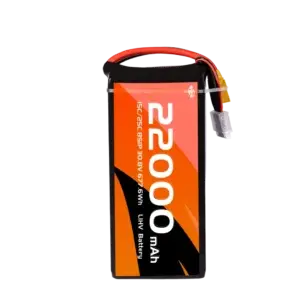
WES Battery supplies this 20,000mAh drone battery cell as a high-rate building block for custom commercial and industrial UAV power systems. The 3.85 V lithium-ion pouch cell combines a 20 Ah capacity with 15C continuous-discharge capability, 2C fast-charge support, and a specified operating range of -15°C to 60°C. It is designed for OEM teams that need to configure the final voltage, energy, communication architecture, mechanical enclosure, and connector around a defined aircraft platform.
With a nominal energy of 77 Wh per cell, this 20,000mAh drone battery cell gives designers a practical foundation for endurance-oriented, high-power UAV battery packs. WES can support the move from cell evaluation to custom UAV pack integration, including series/parallel configuration, pack wiring, BMS selection, connector specification, labeling, and production planning. Final aircraft performance depends on the pack architecture, propulsion system, flight profile, payload, and thermal design; it must be verified in the customer’s flight-test programme.
Key benefits
•High-rate power delivery: 15C continuous discharge for UAV platforms with demanding payload or maneuvering requirements.
•Faster turnaround potential: supports a 1C standard charge rate and 2C fast-charge profile, subject to an approved charger and thermal-control strategy.
•Specified wide-temperature operation: -15°C to 60°C for applications operating across cold-start and hot-weather environments.
•Lifecycle target: 800 cycles at 1C charge / 3C discharge with at least 85% capacity retention under the stated test condition.
•OEM integration flexibility: cell-based design allows the final pack voltage, BMS, enclosure, labeling, XT60/XT90 connector, and communication interface to be defined for the UAV platform.
•Scalable manufacturing support: WES operates a 40,000 m² facility and offers custom-pack and labeling support for volume programmes.
Technical specifications
OEM pack integration and documentation
This 20,000mAh drone battery cell is intended for engineering teams developing a custom UAV battery pack rather than for direct installation into a drone. To scope a viable design, share the required pack voltage, peak and continuous current, mission energy target, available installation space, charge method, temperature exposure, interface protocol, target certification markets, annual demand, and sample timing. WES can then propose the appropriate cell configuration, BMS, harness, connector, enclosure, labeling, and validation plan.
For transport documentation, use precise model-specific wording: “UN38.3 test summary available on request for the applicable cell or final pack configuration.” U.S. PHMSA explains that lithium cells and batteries offered for transport must pass the UN Manual of Tests and Criteria §38.3 design tests, and that a standardized test summary is to be made available upon request. Avoid the generic phrase “UN38.3 certified” unless the exact model, configuration, and supporting document have been verified.
Similarly, do not make a blanket claim that every custom pack is “UL, CE, UN38.3 and RoHS certified.” Publish only the documentation that applies to the exact final configuration and destination market. A safe buyer-facing statement is: “Compliance documentation and test reports for the applicable cell or final pack configuration are available for review during the OEM qualification process.”
Commercial mapping and inspection. A custom pack built around this 20Ah drone battery cell can be engineered for missions that require stable power delivery to flight-control systems and sensor payloads. Actual flight duration and usable capacity must be established with the selected propulsion system, payload, pack configuration, and mission profile.
Agricultural, logistics, and delivery UAVs. The stated high-rate capability, fast-charge support, and specified temperature range make the cell relevant to platform developers aiming to improve fleet availability. The final pack should be validated for current demand, enclosure thermal behavior, ingress protection, charging workflow, and transport compliance before deployment.
High-power UAV and specialized test platforms. The 15C rating makes the cell relevant where high current is required, provided that the pack interconnects, BMS, fusing, connectors, and cooling system are engineered for the final electrical load. It is not presented as an out-of-the-box battery for conventional FPV racing or freestyle drones; those platforms normally use very different capacity and pack-voltage formats.
Ordering and customization
WES supports custom UAV battery-pack programs from cell selection through design-in and volume-production planning. Available scope can include custom pack configuration, branding and labels, BMS tuning, XT60/XT90 connector selection, harnessing, enclosure requirements, and CAN/SMBus telematics where specified. Minimum order quantities, production lead times, drawings, qualification samples, and test documentation should be agreed after WES confirms the final design requirements.
Frequently asked questions
Can this cell be used for a heavy-payload delivery drone?
Potentially, but it is a 3.85 V, 20 Ah cell rather than a completed delivery-drone battery pack. The 15C continuous rating can support high-current pack designs, but suitability depends on the final series/parallel configuration, peak-load profile, pack wiring, protection system, thermal design, and aircraft flight validation.
Are BMS, CAN, and SMBus available?
They can be specified for a custom UAV battery pack. The required BMS, communication protocol, connector, harness, and telemetry functions should be confirmed during the OEM design review; they should not be represented as standard functions of the individual cell.
Which test reports and compliance documents are available?
WES can provide the documentation applicable to the approved cell or final-pack configuration during qualification. For transport, request the relevant UN38.3 test summary. For UL, CE, and RoHS claims, request documents that identify the exact model, revision, and configuration covered.
Call to action
Request a 20,000mAh drone battery cell datasheet or custom UAV pack consultation. Send WES your target voltage, current, energy, mechanical envelope, interface, compliance market, and forecast volume to receive a technical proposal, sample plan, and lead-time estimate.

 English
  Chinese